Digital Keno Pattern Analysis in Electronic Draw Systems and Multi-Game Wagering Effects
Written by Taylor Washington · May 31, 2026
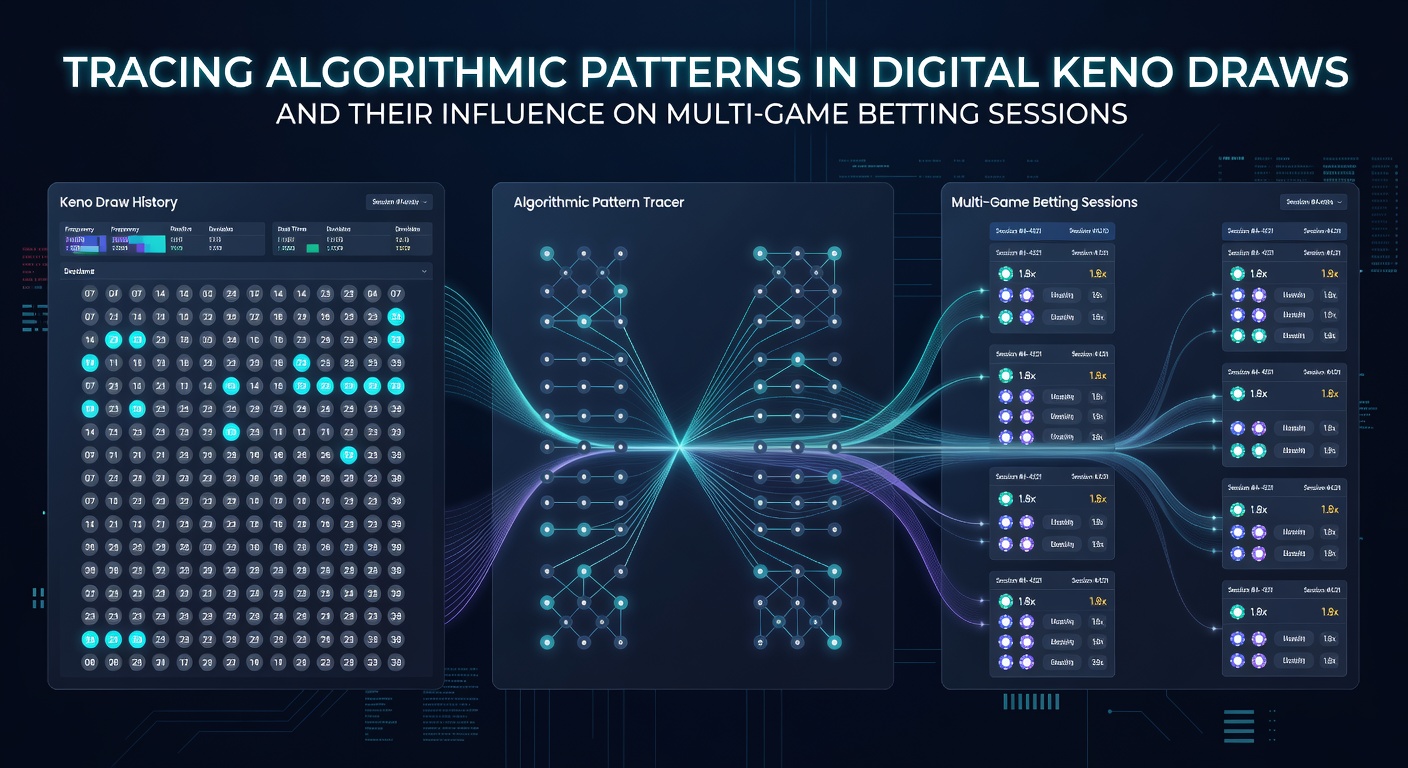
Digital Keno Pattern Analysis in Electronic Draw Systems and Multi-Game Wagering Effects
Electronic keno systems rely on certified random number generators that produce independent draw results for each game round, and operators maintain these mechanisms under strict testing protocols established by regulatory bodies worldwide. Players who track sequences across multiple rounds often examine frequency distributions, yet statistical models confirm that each draw operates without memory of previous outcomes.
How Random Number Generators Shape Keno Mechanics
Digital keno platforms employ pseudorandom algorithms that meet standards set by independent testing labs such as Gaming Laboratories International, and these systems generate number sets ranging from 1 to 80 with equal probability for every selection. Data from regulatory audits shows that certified RNGs undergo continuous evaluation to prevent predictable cycles, while session logs from major platforms indicate that draw intervals remain consistent regardless of player volume.
Observers note that multi-game betting sessions allow participants to place wagers on consecutive draws without interruption, and software interfaces record cumulative statistics that some users review between rounds. Research from the University of Nevada's gaming studies program highlights how extended play periods introduce variables like bet sizing adjustments, yet these changes do not alter the underlying probability structure of individual draws.
Sequence Tracking Methods in Practice
Analysts examine historical draw data through frequency charts and gap analysis tools that identify intervals between repeated numbers, and casino operators provide access to such records for transparency purposes. In May 2026 several platforms updated their reporting dashboards to include real-time pattern overlays, which players access during live sessions to monitor number distributions over blocks of twenty or more games.
Those who study these patterns apply basic statistical filters such as chi-square tests to assess deviation from expected frequencies, although long-term records maintained by the Nevada Gaming Control Board demonstrate that certified systems consistently align with theoretical expectations across thousands of draws. Multi-session bettors often divide their bankrolls into segments that correspond to specific draw blocks, and platform analytics reveal that this segmentation occurs most frequently during peak evening hours.
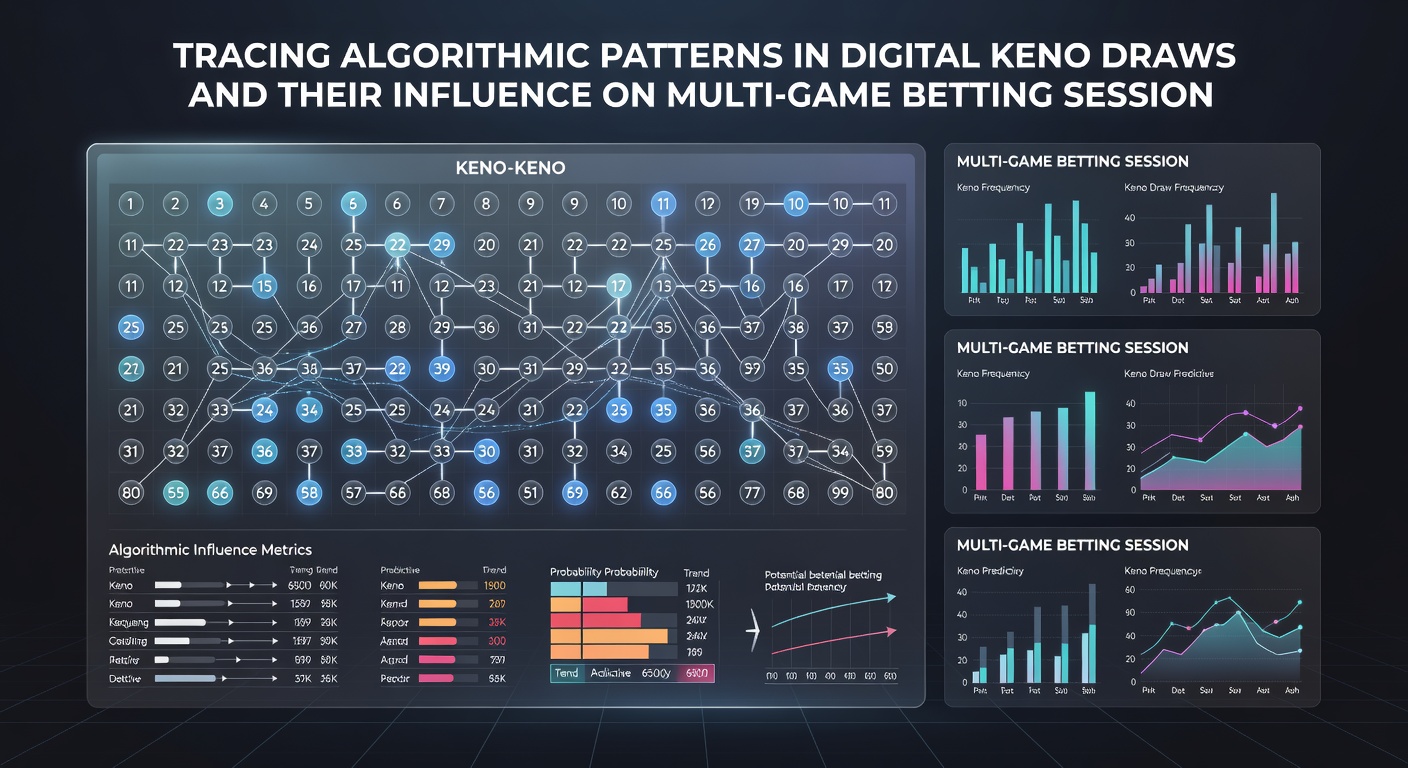
Influence on Extended Betting Sessions
Multi-game wagering structures enable continuous participation across sequential keno draws, and the algorithmic independence of each round means that accumulated statistics serve primarily as informational tools rather than predictive instruments. Session data collected by operators indicates that players who extend their play beyond thirty consecutive games tend to adjust stake amounts based on observed short-term trends, even when those trends fall within normal variance ranges.
Regulatory frameworks in jurisdictions such as the Australian state of Victoria require operators to display clear statements about random outcome generation, and these disclosures appear within game interfaces during active betting windows. Figures released by the Victorian Commission for Gambling and Liquor Regulation show that average session lengths for keno participants range between fifteen and forty-five minutes, with pattern-tracking features used more commonly in the longer-duration sessions.
Software developers integrate visualization modules that highlight recent number frequencies without implying causation, and players interact with these modules while managing their total exposure across multiple rounds. Evidence from academic reviews of gambling behavior suggests that visual aids influence decision timing yet leave the core probability calculations unchanged.
Technical Considerations for Pattern Monitoring
Developers design keno RNGs to pass Diehard and NIST statistical test suites, and ongoing compliance checks verify that output sequences maintain uniformity across extended operational periods. When participants review draw histories spanning multiple games, they encounter datasets that reflect true randomness rather than engineered sequences, and this distinction remains central to responsible platform design.
Betting session management tools allow users to set loss limits and round caps that activate automatically after predefined thresholds, and integration of these controls occurs at the account level before any draw sequence begins. Observers from industry research groups note that such features appear with increasing frequency in platforms updated during early 2026, coinciding with broader regulatory emphasis on session-duration awareness.
Conclusion
Algorithmic examination of digital keno draws centers on verified random generation processes that remain unaffected by prior results, while multi-game betting sessions provide structured environments for tracking cumulative statistics without altering outcome probabilities. Regulatory oversight and technical certification continue to ensure system integrity across global markets, and session data collected through 2026 reflects consistent application of these standards. Players access pattern information as supplementary detail rather than deterministic guidance, and platform architecture supports both individual round play and extended session formats under the same foundational rules.