Examining Player Transitions Between Online Lottery Platforms and Live Dealer Casinos
Written by Yves Friedrich · May 24, 2026

Examining Player Transitions Between Online Lottery Platforms and Live Dealer Casinos
Player behavior in digital gambling environments shows measurable shifts between virtual lottery systems and live dealer setups, with data tracking these movements through transaction logs and session analytics. Virtual lottery platforms offer quick number selections and instant draws while live dealer environments provide real-time interaction via video streams and professional hosts. Researchers track these patterns using aggregated user data from multiple operators, revealing consistent trends in session duration and game type preferences across regions.
Core Differences in Platform Mechanics
Virtual lottery systems rely on random number generators for outcomes like ticket draws and scratch-style games, which allow players to complete sessions in under two minutes on average. Live dealer environments instead stream from physical tables where dealers manage cards and wheels, extending average playtime to fifteen minutes or more per round because of social elements and table pacing. These structural distinctions create distinct entry points, with many users starting in lottery formats before exploring dealer-hosted variants during the same login period.
Documented Migration Data Trends
Analytics platforms record that approximately thirty-five percent of lottery users initiate at least one live dealer session within six months of their first lottery deposit, according to aggregated figures released by the Alcohol and Gaming Commission of Ontario. Session overlap occurs most frequently on weekday evenings when lottery draws conclude and live tables open new betting windows. Migration rates climb during promotional periods that bundle lottery tickets with live dealer bonuses, though the reverse flow from live tables back to lottery systems remains lower at around eighteen percent over the same timeframe.
Key Drivers Behind These Shifts
Accessibility features such as mobile optimization push initial adoption toward virtual lotteries, yet live dealer environments gain traction once players seek higher engagement levels. Payment integration plays a role too, since shared wallets let users transfer balances without additional verification steps. Studies from academic sources indicate that seasonal events, including major sports tournaments or holiday periods, accelerate movement toward live formats because of the communal atmosphere created by multiple participants at one table. In May 2026 several Canadian provinces plan synchronized regulatory updates that will standardize cross-platform data reporting, which should improve accuracy in mapping these transitions further.
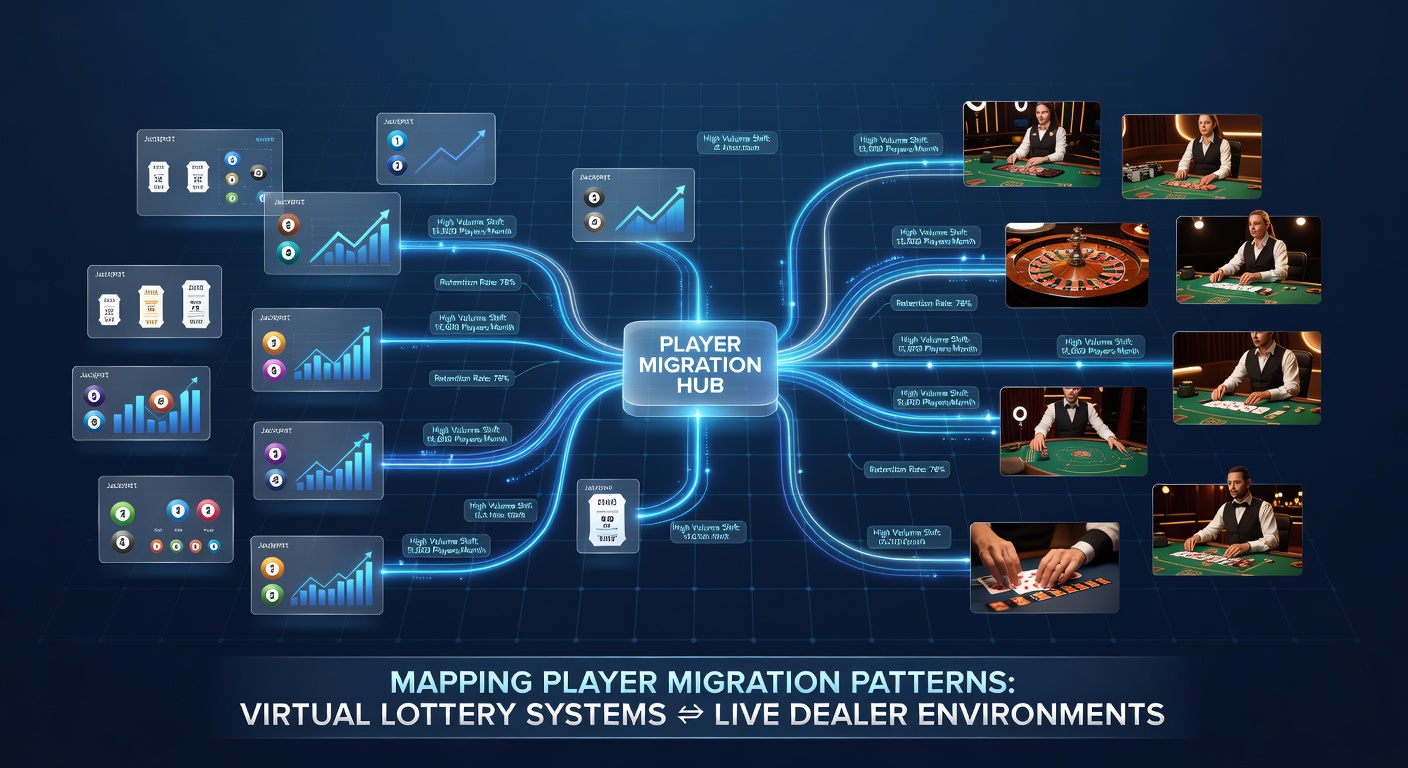
Technological upgrades including faster streaming protocols and integrated chat functions have narrowed the gap between the two formats, allowing smoother handoffs when users decide to switch mid-session. Operators note that players who begin with high-frequency lottery purchases often maintain smaller average bet sizes once they enter live dealer rooms, while those arriving from live tables tend to favor higher-stakes lottery variants.
Regional Variations in Observed Patterns
European markets display stronger retention within live dealer environments after initial lottery exposure, partly because regulatory frameworks require detailed responsible gambling prompts at each transition point. Australian operators report higher overall migration volumes during evening hours, with figures from the Australian Gambling Research Centre showing a fifteen percent increase in cross-format activity between 2024 and 2025. North American data highlights mobile app design as the dominant factor, where single-account systems reduce friction and encourage experimentation across lottery and dealer products.
Measurement Methods and Analytical Tools
Operators employ cohort analysis and heat mapping to follow individual accounts across game categories, linking login timestamps with specific product selections. Machine learning models identify early indicators such as increased chat usage or extended observation periods before betting begins, which often precede a move to live dealer tables. These tools rely on anonymized datasets that comply with privacy standards set by multiple jurisdictions, ensuring patterns emerge without exposing personal details.
Conclusion
Continued refinement of tracking systems will clarify how virtual lottery systems and live dealer environments interact within broader player journeys. Regulatory developments scheduled for 2026 across several markets should supply more granular datasets, supporting improved understanding of these migration dynamics through standardized reporting requirements.