From Physical Balls to Digital Draws: Shifts in Keno Technology Over Decades
Written by Yves Friedrich · Aug 4, 2026
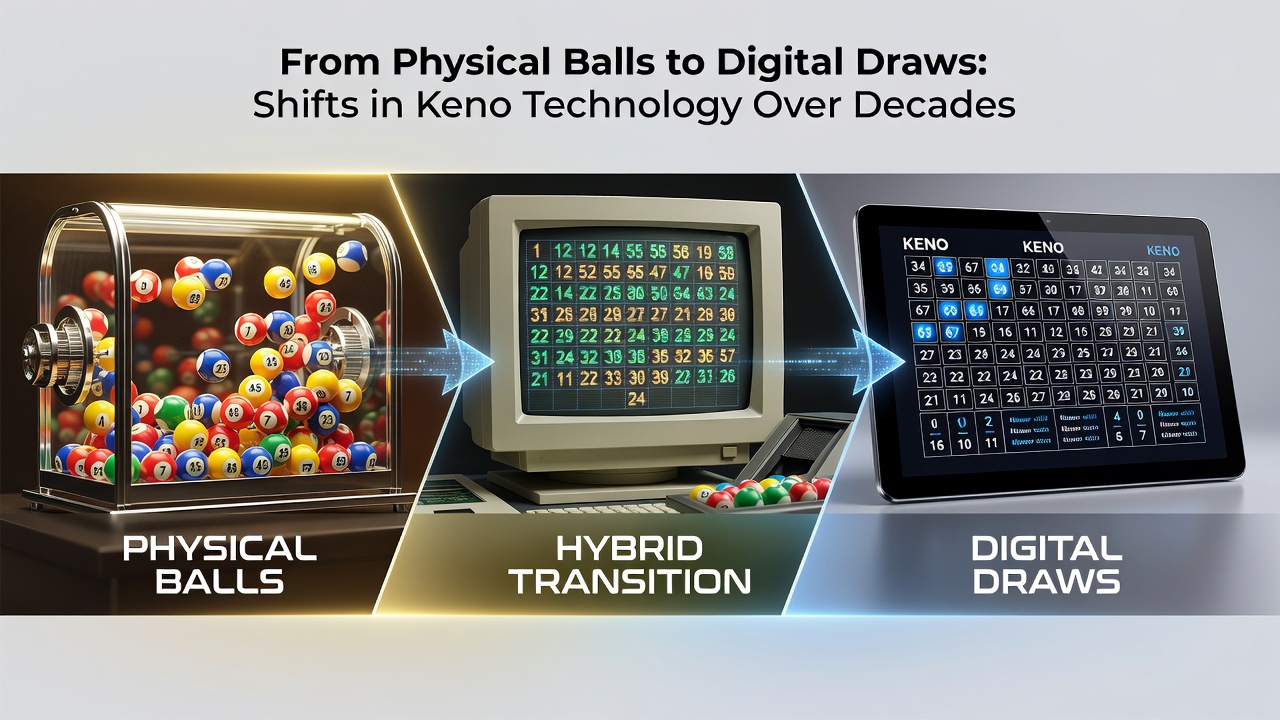
From Physical Balls to Digital Draws: Shifts in Keno Technology Over Decades
Early Mechanical Systems in Keno Operations
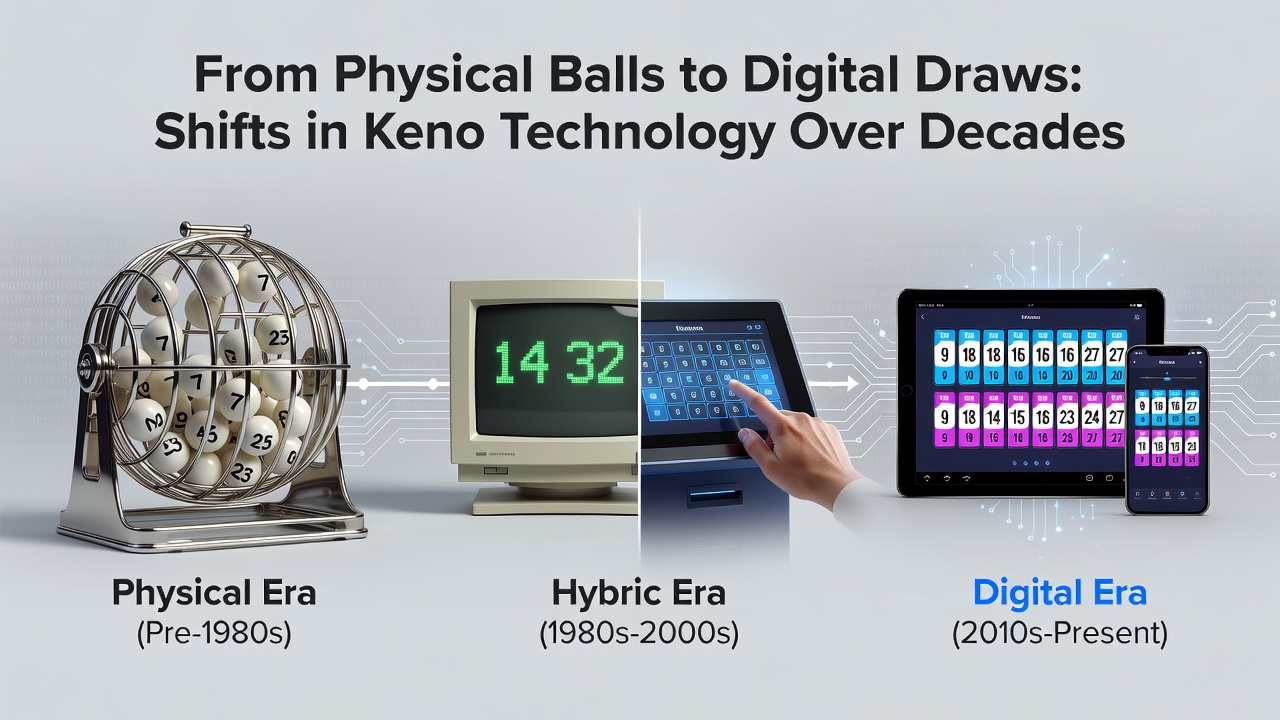
Keno began with physical balls drawn from cages or hoppers in land-based venues, where operators loaded numbered spheres into devices and released them for live selection, a process that required manual verification at each step. Data from early 20th-century records shows these setups dominated casino floors through the 1970s, with draws occurring at fixed intervals and results posted on boards for players to match against tickets.
Mechanical reliability depended on consistent ball weight and smooth rotation, yet wear on components led to occasional replacements, while staff recorded outcomes by hand before electronic aids arrived. Observers note that such systems created visible transparency for participants, although throughput remained limited by the time needed for each physical cycle.
Transition to Electronic Random Number Generators
By the 1980s electronic random number generators started replacing physical draws in many jurisdictions, with hardware certified to produce sequences that met statistical standards for fairness. Figures from regulatory archives indicate adoption accelerated after testing protocols confirmed equivalent distribution patterns to traditional methods, allowing venues to increase draw frequency without additional staffing.
Those who managed casino floors during this period recall that machines reduced downtime between games, while integrated printers issued tickets with barcodes that scanners later validated. Research conducted by gaming laboratories demonstrated that properly seeded algorithms maintained unpredictability across thousands of cycles, a shift that aligned with growing demand for faster play sessions.
Integration of Digital Platforms and Networked Draws
Networked systems emerged in the 1990s when central servers began coordinating multiple terminals across properties, enabling simultaneous draws viewed on screens rather than live ball chambers. According to reports from the Nevada Gaming Control Board, these installations required continuous logging of seed values and outcomes to support audits, which streamlined compliance compared with paper logs from earlier eras.
Players accessed results through video displays that updated in real time, and data shows participation rose as locations added keno to sportsbooks and restaurants without dedicated draw areas. Yet hardware limitations such as processor speed sometimes caused brief delays, prompting further refinements in firmware that stabilized operations by the early 2000s.
Online Keno and Mobile Adaptations
Internet-based keno expanded access beyond physical sites once secure connections allowed remote participation through licensed platforms, with draws generated by certified random number generators hosted on protected servers. Industry statistics reveal that by 2015 several operators in regulated markets had migrated portions of their keno offerings to web interfaces that updated every few minutes, matching the pace once set by mechanical schedules.
Mobile applications followed shortly afterward, incorporating touch interfaces for ticket selection and push notifications for result alerts, while geolocation checks ensured compliance with state boundaries. A study published by the University of Nevada, Reno examined transaction volumes and found that digital channels accounted for a growing share of total keno wagers in jurisdictions that permitted them, reflecting broader patterns in lottery-style gaming.
Security Protocols and Regulatory Oversight
Encryption standards and multi-factor authentication became standard components of digital keno infrastructure, protecting player data and draw integrity against tampering attempts. Government agencies in Australia and Canada published guidelines that required independent verification of algorithms at regular intervals, creating a framework that operators followed to maintain licenses across borders.
Those responsible for system maintenance implemented redundant servers and real-time monitoring dashboards that flagged anomalies within seconds, reducing the window for irregularities that mechanical systems once handled through physical inspection. Evidence from audit summaries indicates these measures contributed to fewer disputes over result validity compared with earlier decades reliant on manual counting.
Current Developments as of August 2026
By August 2026 several platforms had incorporated cloud-based distribution for draw results, allowing synchronized displays across devices while maintaining localized compliance records. Trade association reports from the World Lottery Association highlight continued investment in blockchain logging for select operators, which provides immutable trails of each sequence without altering core random generation methods.
Terminal hardware evolved to include higher-resolution screens and faster processors that render animated sequences mimicking physical ball motion, though the underlying selection remains algorithmic. Regulatory updates in multiple regions emphasized interoperability testing between legacy and new systems, ensuring smooth migration paths for venues still transitioning portions of their keno operations.
Conclusion
The progression from physical balls to digital draws reflects incremental adoption of certified technologies that preserved statistical integrity while expanding operational capacity. Records maintained by gaming authorities document each phase of change, from mechanical cages through networked servers to current cloud and mobile formats, and those patterns continue to shape how operators deliver keno across regulated markets.