Intersections of Chance: Comparing Roulette Wheels and Lottery Numbers in Digital Formats
Written by Katja Baumann · Aug 13, 2026
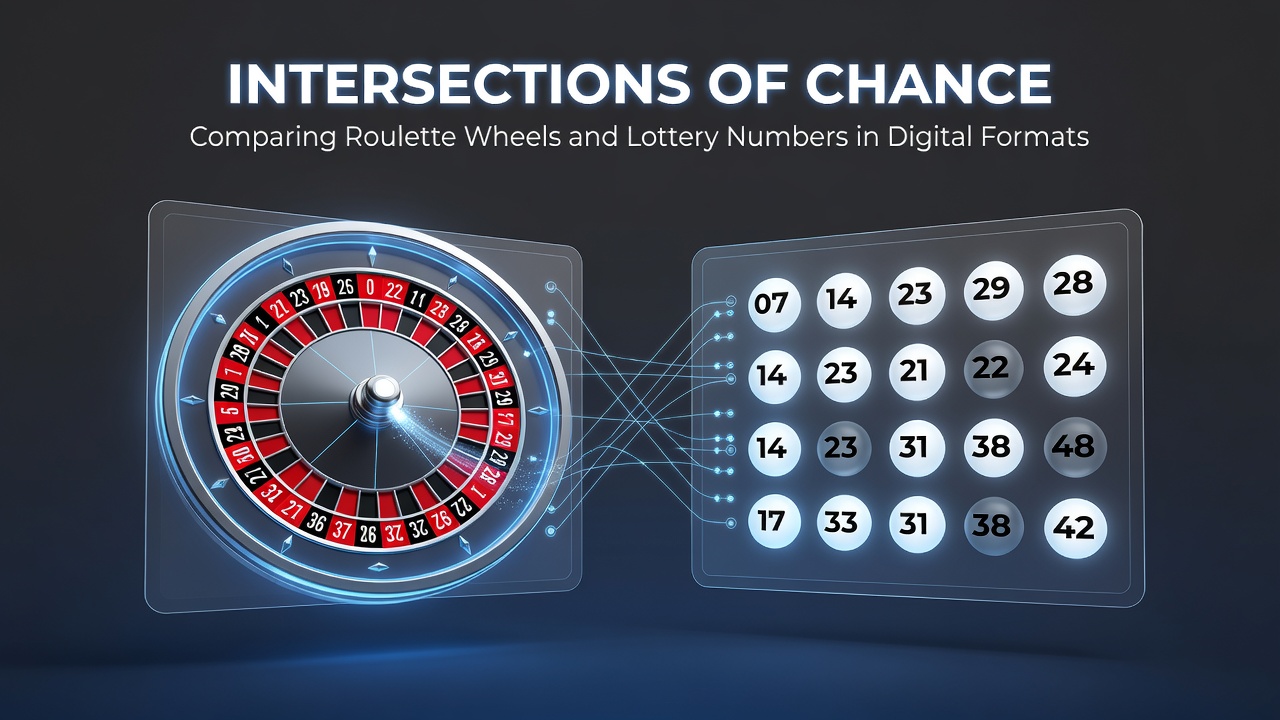
Intersections of Chance: Comparing Roulette Wheels and Lottery Numbers in Digital Formats
Digital platforms have transformed how roulette wheels and lottery draws operate, shifting from physical mechanisms to algorithmic systems that generate results through certified random number generators, and these changes affect both game mechanics and regulatory oversight in measurable ways.
Digital Implementation of Roulette Wheels
Roulette in online formats relies on pseudorandom number generators that simulate the 37 or 38 pockets found on European and American wheels, while certification bodies test these algorithms against standards that require uniform distribution across millions of simulated spins. Data from regulatory testing laboratories shows that properly audited RNGs produce outcomes within expected statistical variance, matching physical wheel results recorded over decades of casino operations. Observers note that European roulette maintains a house edge of 2.7 percent due to its single zero, whereas American versions reach 5.26 percent with the added double zero, and digital versions preserve these exact probabilities through fixed code parameters.
Lottery Number Generation in Online Systems
Online lottery platforms use similar RNG technology to select numbers from defined pools, often replicating national draw formats that range from 5 out of 69 plus a powerball to simpler 6 out of 49 structures, and government agencies in multiple regions require independent verification that each combination holds equal probability. Figures released by the Malta Gaming Authority indicate that certified lottery systems undergo monthly audits covering at least 10 million draws to confirm absence of bias or predictable sequences. In contrast to physical ball machines used in some state lotteries, digital versions eliminate mechanical wear factors, yet they must still meet the same transparency rules applied to televised draws.
Statistical Overlaps and Divergences
Both roulette and lottery systems in digital environments depend on uniform probability distributions, yet their payout structures create different expected values per wager, with roulette offering repeated bets during single sessions and lotteries functioning through infrequent large jackpots. Research conducted by the Australian Gambling Research Centre found that average session lengths for digital roulette players reached 22 minutes in sampled datasets from 2025, while lottery ticket purchases clustered around draw deadlines with minimal repeat engagement per user. These patterns highlight how game design influences participation frequency without altering the underlying randomness certified by testing standards.
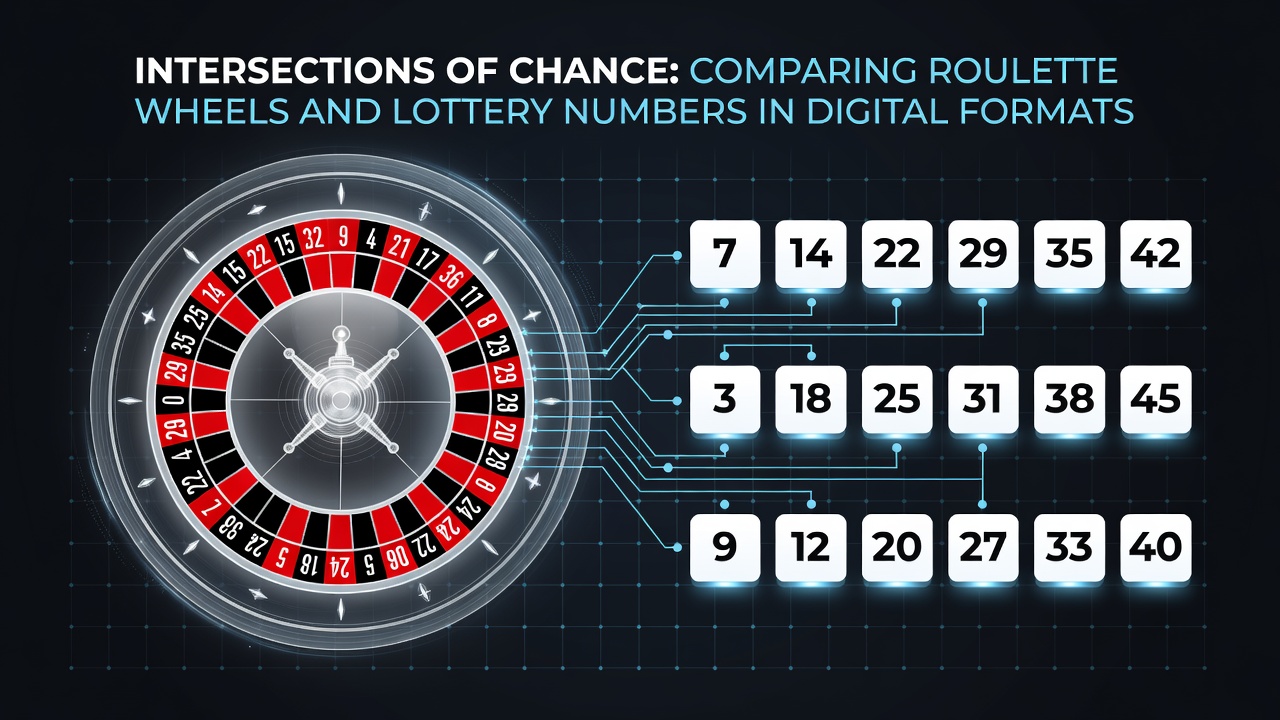
August 2026 brought updated interoperability guidelines across several North American and European jurisdictions that require shared RNG testing protocols for both roulette simulators and lottery platforms, aiming to standardize audit reports and reduce duplication in compliance documentation. Those guidelines emerged after joint reviews by the Nevada Gaming Control Board and the Kahnawake Gaming Commission, which examined cross-border data on digital game approvals processed between 2024 and 2025.
Regulatory Frameworks Across Regions
Regulatory bodies enforce distinct requirements based on game classification, with roulette often falling under casino licensing that mandates real-time result logging and player fund segregation, whereas lottery operations frequently operate under state or provincial monopolies with separate revenue allocation rules. The Kahnawake Gaming Commission has published technical standards requiring cryptographic seeding for RNGs used in both categories, and similar provisions appear in Canadian provincial frameworks administered by bodies such as the Alcohol and Gaming Commission of Ontario. These overlapping technical mandates create consistent fairness benchmarks even as licensing structures differ by jurisdiction.
Player Interaction Patterns in Digital Environments
Digital interfaces present roulette through animated wheels and betting grids that allow rapid spin cycles, while lottery sites emphasize number selection tools and subscription options that span multiple future draws. Transaction records analyzed in industry reports show that roulette sessions generate higher volumes of individual wagers per active account compared with lottery purchases, which tend toward fixed ticket prices and scheduled events. Certification data confirms that both formats maintain outcome integrity regardless of interface speed or visual presentation, provided the underlying RNG passes periodic statistical evaluations.
Conclusion
Digital roulette wheels and lottery number systems share core reliance on verified random generation, yet they diverge in session structure, regulatory categorization, and payout frequency across global markets. Ongoing updates to certification standards, including those implemented in August 2026, continue to align testing methodologies while preserving regional distinctions in licensing and oversight.