Maryland Lawmakers Advance Bills to Legalize Online Casinos and Internet Bingo for 2026 Ballot
Written by Mara Richter · Apr 19, 2026
Maryland Lawmakers Advance Bills to Legalize Online Casinos and Internet Bingo for 2026 Ballot
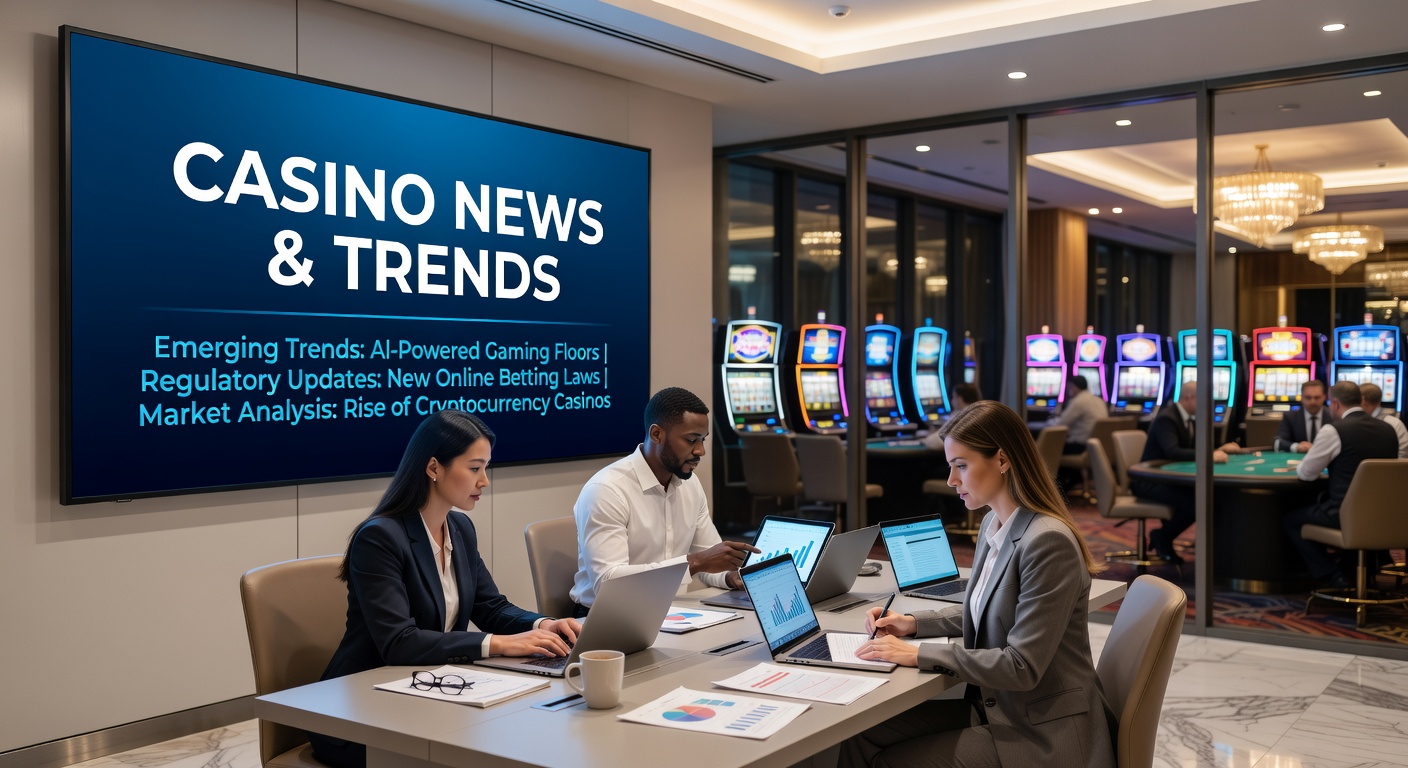
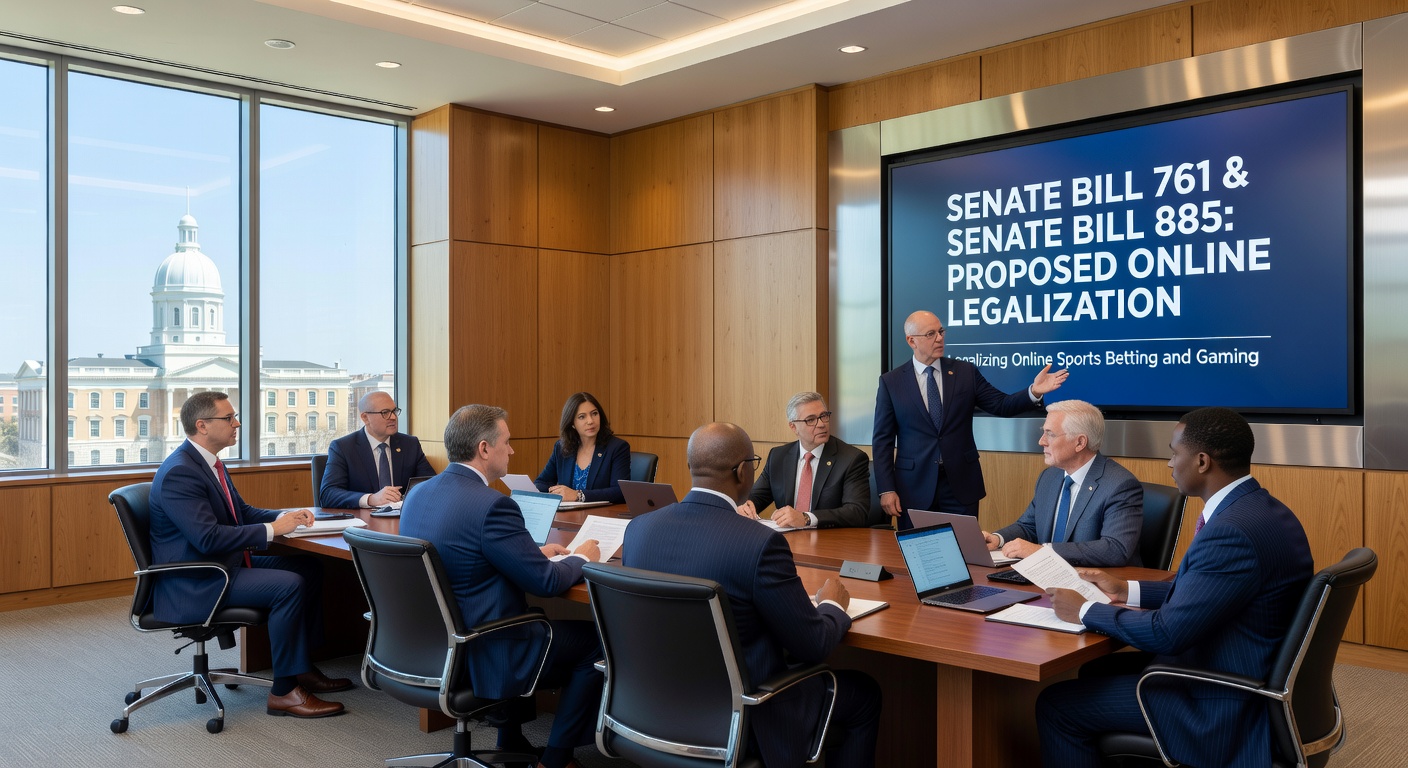
Lawmakers in Maryland have taken significant steps forward with Senate Bill 761 and Senate Bill 885, proposals that aim to legalize online casinos and internet bingo through a constitutional amendment paired with enabling legislation, setting the stage for voters to decide in the November 2026 general election; this move comes as the state navigates its existing gambling framework while addressing potential expansions that could reshape the market.
These bills, now advancing through legislative channels, build on Maryland's established land-based casino operations, limiting new online licenses strictly to those existing operators and their designated partners, a restriction designed to maintain control within a familiar ecosystem; observers note how this approach mirrors strategies in other states where iGaming rollouts prioritized incumbents to streamline implementation and regulatory oversight.
But here's the thing: while proponents highlight revenue potential directed straight to public education, a recent 2025 poll reveals stark voter resistance, with 71% opposing the measures primarily over fears of gambling addiction and disruptions to the current market dynamics, figures that underscore the tension between economic opportunities and social safeguards.
Key Provisions of Senate Bill 761 and Senate Bill 885
Senate Bill 761 focuses on the constitutional amendment necessary to authorize online casino gaming and internet bingo in Maryland, a foundational change since the state constitution currently restricts such activities to physical venues; paired with it, Senate Bill 885 provides the enabling legislation that outlines operational details, including licensing criteria, taxation structures, and enforcement mechanisms, ensuring that any online platforms adhere to standards comparable to brick-and-mortar casinos.
Licensing remains exclusive to Maryland's six land-based casino operators—those at locations like MGM National Harbor, Live! Casino & Hotel, and Horseshoe Baltimore—along with their approved partners, a provision that prevents market flooding while leveraging established infrastructure for digital extensions; the Maryland State Lottery and Gaming Control Commission would oversee regulation, implementing consumer protections such as age verification, geofencing to restrict play to state borders, responsible gaming tools, and anti-money laundering protocols already proven effective in sports betting rollouts since 2021.
And what's interesting is how revenues from these online ventures would flow directly into the state's education trust fund, bolstering K-12 programs much like proceeds from existing casino taxes have contributed over $1.7 billion since 2010, according to state gaming reports; this earmarking aligns with patterns seen in neighboring states where iGaming taxes have supplemented public services without broad tax hikes.
The Legislative Path and Voter Referendum Timeline
Advancement of these bills through committees signals momentum, with full passage in the 2025 session positioning the constitutional amendment for the November 2026 ballot, a timeline that allows for public debate and refinement; by April 2026, as intermediate sessions or hearings unfold, stakeholders from the gaming industry, educators, and advocacy groups could testify further, refining details before the final push, though the core voter decision rests firmly in late 2026.
Constitutional amendments in Maryland require legislative approval in two successive sessions followed by majority voter ratification, a deliberate process that has shaped past expansions like sports betting in 2020; experts who've tracked these trajectories point out that while the bills cleared initial hurdles recently, bicameral support and gubernatorial sign-off remain critical milestones ahead.
Take the case of one legislative analyst who observed similar dynamics in 2012 when table games gained approval, noting how targeted revenue promises swayed enough votes despite initial skepticism; now, with online sports betting generating $100 million in taxes annually, the stage seems set for iGaming to follow suit, provided public sentiment shifts or stays the course.
Regulatory Framework and Consumer Safeguards
The Maryland State Lottery and Gaming Control Commission steps into a pivotal role under these bills, mirroring its success with sports wagering where it issued licenses to 11 operators and enforced strict compliance, resulting in zero major breaches reported in initial years; for online casinos, regulations would mandate similar safeguards—self-exclusion programs, spending limits, reality checks during sessions, and partnerships with addiction hotlines—tools that data from the Maryland gaming authority shows have curbed problem gambling rates below national averages.
Operators must integrate these features seamlessly into apps and websites, with audits ensuring fairness in games like slots, blackjack, and bingo variants; geolocation tech would lock out out-of-state players, preserving tax revenues estimated at 15-20% of gross gaming revenue based on models from Pennsylvania and New Jersey, states where iGaming has thrived under comparable oversight.
Yet, those who've studied market entries elsewhere know that while protections mitigate risks, enforcement demands robust staffing and technology upgrades, investments Maryland lawmakers have signaled willingness to fund through initial licensing fees potentially reaching millions per operator.
Public Opinion: The 71% Opposition Poll
A 2025 poll captured widespread voter hesitation, showing 71% against online casino legalization, a figure driven by concerns over addiction proliferation and potential cannibalization of land-based casino visits; conducted amid rising awareness of gambling's societal costs post-sports betting launch, the survey highlights how 62% of respondents worried about increased problem gambling among younger demographics accessing iGaming from home.
Figures reveal that while 25% supported the bills for education funding boosts, the majority cited market saturation fears, especially since Maryland's six casinos already pull in $1.8 billion yearly in handle; researchers analyzing the data note parallels to Connecticut's 2021 iGaming debates, where similar polls preceded moderated expansions that balanced growth with caps.
So, as advocacy groups like the Maryland Center of Excellence on Problem Gambling ramp up campaigns, their input could influence amendments, perhaps tightening age gates to 25 or mandating ad restrictions, measures that have swayed public views in past referendums.
Broader Context in Maryland's Gambling Landscape
Maryland's gambling evolution traces back to 2008 lotteries and slots, expanding through horse racing, table games, and sports betting, with online poker stalled since failed 2012 attempts; current bills revive that momentum, positioning the state against rivals like Pennsylvania—home to $1.6 billion in iGaming revenue last year—and New Jersey, where online slots dominate 80% of casino handle.
Existing operators, including partnerships with DraftKings and FanDuel for sports, stand ready with platforms tested elsewhere, promising quick launches if approved; one study from the American Gaming Association found that regulated iGaming diverts just 10-15% from retail venues while adding net tax gains, a stat proponents wield against saturation claims.
But the rubber meets the road in voter education efforts, where campaigns will parse these benefits against risks, much like the 2020 sports betting referendum that passed 67-33 despite addiction worries; with bingo's community appeal potentially softening resistance—think charitable halls going digital—lawmakers eye a hybrid path forward.
Potential Impacts and Next Steps
Passage could inject $200-400 million annually into education by 2028, per industry projections modeled on peer states, while creating 1,000+ tech and compliance jobs; conversely, opponents warn of $50 million in lost land-based taxes if migration spikes, though evidence from mature markets suggests stabilization over time.
Now, with bills in play, hearings through spring 2026 will amplify voices from all sides—casino execs touting innovation, educators eyeing funds, and families sharing addiction stories; the commission's track record, having fined violators $500,000 last year alone, reassures some that safeguards work.
People who've followed these pushes often discover that ballot outcomes hinge on turnout, with 2026's general election drawing high participation that could tip scales either way.
Conclusion
Maryland stands at a crossroads with Senate Bill 761 and 885 advancing toward the 2026 ballot, promising online casinos and bingo regulated tightly for education gains yet shadowed by 71% poll opposition rooted in addiction and market fears; as April 2026 approaches with potential refinements, the Maryland State Lottery and Gaming Control Commission's role ensures consumer protections match physical venues, while exclusive licensing keeps expansion measured.
Ultimately, voters will weigh these facts in November 2026, deciding if digital gaming fits the state's blueprint, a choice that echoes expansions past and shapes finances future; observers watch closely, knowing regulated iGaming's track record offers lessons aplenty for what's next.