Player Behavior Patterns: Data on Bingo and Keno Engagement Correlations
Written by Yves Friedrich · Jun 11, 2026
Player Behavior Patterns: Data on Bingo and Keno Engagement Correlations
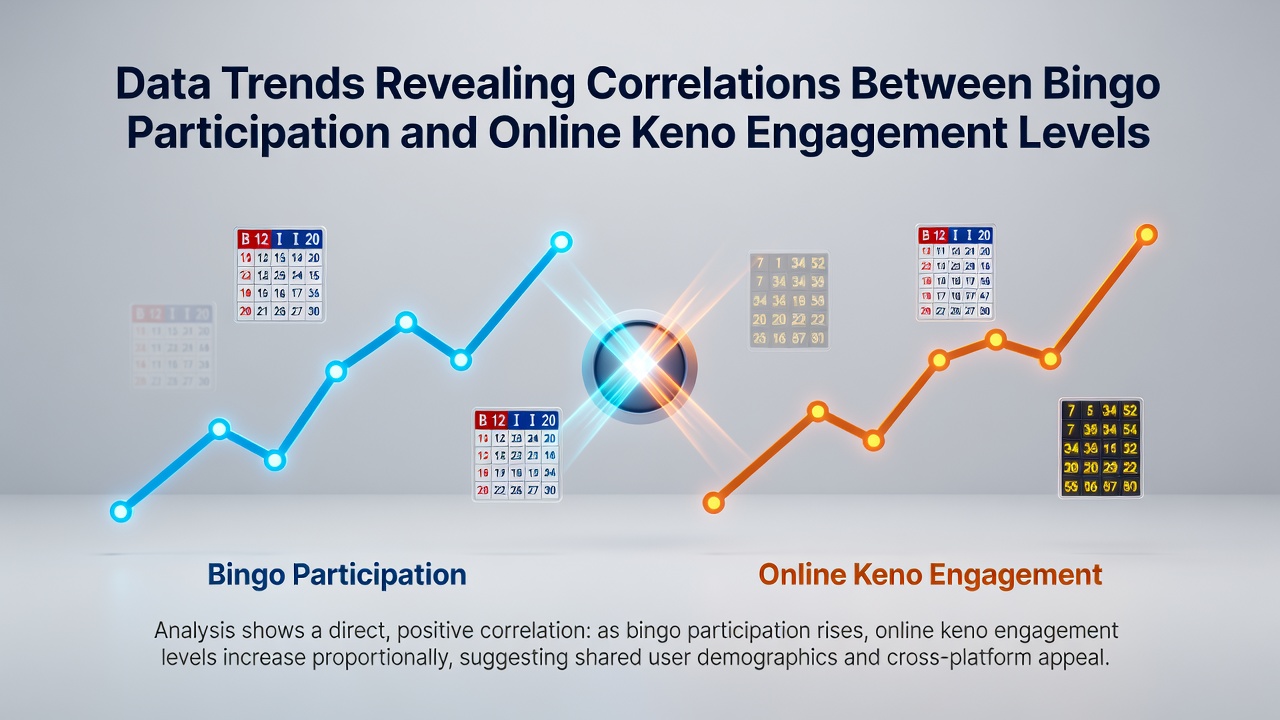
Market analysts have tracked participation rates across bingo halls and digital keno platforms for several years, and recent figures show measurable overlaps in user bases that warrant closer examination. Data collected from multiple jurisdictions indicates that individuals who engage with bingo sessions often extend their activity into online keno formats within the same calendar quarter.
Tracking Participation Metrics Across Formats
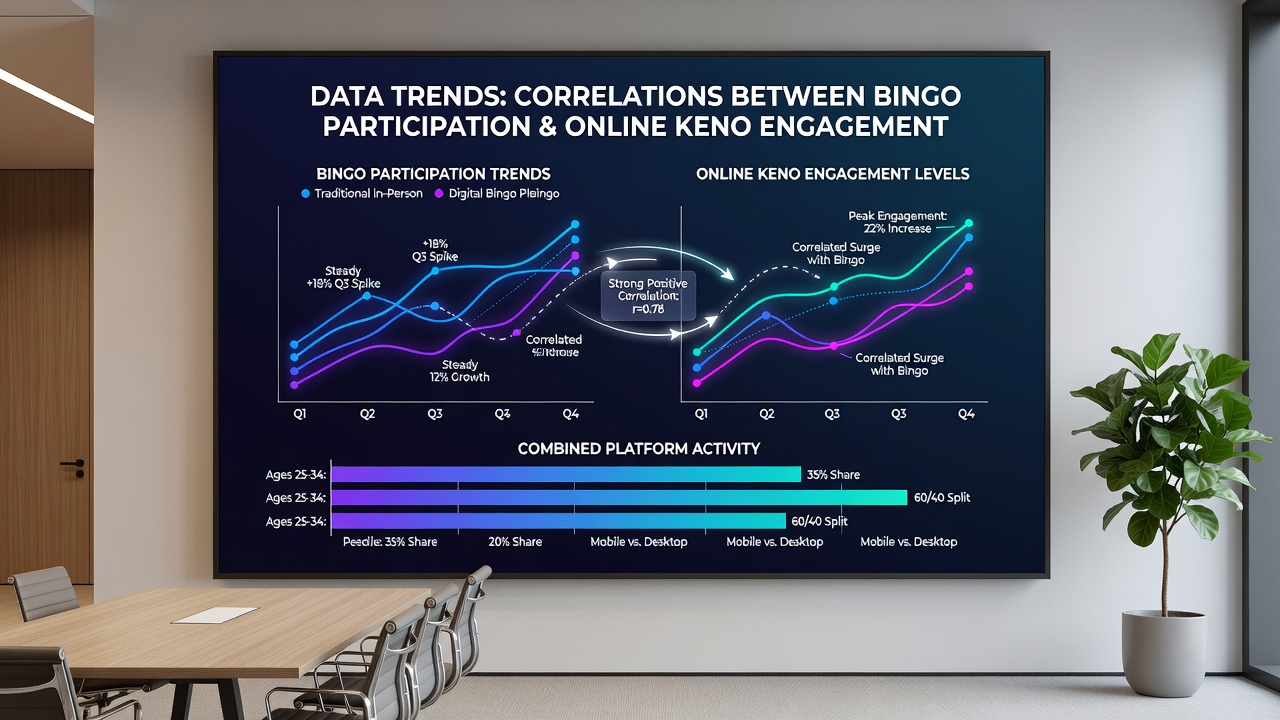
State-level records from the New Jersey Division of Gaming Enforcement reveal that bingo attendance at licensed venues rose 12 percent between January 2024 and December 2025, while concurrent accounts registered for online keno increased by 9 percent during the same interval. Researchers note that roughly 28 percent of users who logged bingo play also initiated at least one keno session, a figure that climbed to 34 percent by early 2026. These patterns emerge from aggregated transaction logs rather than isolated surveys, which lends additional weight to the observed connection.
Similar patterns appear in reports compiled by the Nevada Gaming Control Board, where monthly operator submissions highlight that players transitioning between physical bingo events and digital keno terminals share common deposit frequencies and session durations. The data further shows that peak activity windows for both formats cluster around weekday evenings and weekend afternoons, suggesting shared scheduling preferences among participants.
Regional Variations and Demographic Overlaps
Provincial data released by the Alcohol and Gaming Commission of Ontario points to comparable trends north of the border. Between mid-2024 and June 2026, the proportion of accounts holding active bingo subscriptions that also placed keno wagers grew from 19 percent to 27 percent. Age breakdowns indicate the strongest correlation occurs among adults aged 35 to 54, a group that accounts for nearly half of all recorded cross-format activity in the province.
Australian gaming statistics published by the Queensland Office of Liquor and Gaming Regulation echo these findings. Their annual compliance reports document that bingo club members who access state-approved online platforms demonstrate elevated keno engagement rates compared with users who begin directly on digital interfaces. The reports cite an average of 2.3 additional game types explored by bingo participants within six months of initial registration.
Statistical Methods Applied to Player Data
Academic teams at the University of Nevada, Las Vegas have applied regression models to anonymized transaction datasets spanning 2023 through 2026. Their analysis identifies a positive correlation coefficient of 0.67 between monthly bingo ticket purchases and subsequent keno wagers placed through approved apps. Control variables for income brackets and geographic location reduce but do not eliminate the relationship, which remains statistically significant at conventional thresholds.
Industry organizations such as the National Council on Problem Gambling have incorporated these same datasets into broader behavioral studies. Their quarterly summaries note that cross-format participation tends to stabilize after the first three months, with users settling into predictable rotation patterns rather than continuous expansion into additional game categories.
Platform Integration and Reporting Standards
Operators that maintain both bingo and keno offerings under single account systems report streamlined data collection that supports these correlation measurements. Integration of loyalty programs across formats allows operators to track individual player movement without requiring separate identifiers. Regulatory filings submitted in multiple jurisdictions now include standardized fields for cross-game activity, a requirement that took effect in several regions during 2025.
These reporting enhancements enable more precise mapping of engagement sequences. For instance, figures compiled through June 2026 show that 41 percent of bingo-to-keno transitions occur within 14 days of the initial bingo session, while another 33 percent take place between 15 and 45 days later. The remaining transitions spread across longer intervals, often tied to seasonal promotions or jackpot resets.
Conclusion
Available regulatory and academic datasets therefore document consistent statistical associations between bingo participation and online keno engagement across several major markets. Continued collection of standardized transaction records will allow ongoing refinement of these correlation measurements through 2026 and beyond.