Regional Regulations Reshaping Access Patterns for Keno Players and Sports Bettors in Emerging Digital Markets
Written by Katja Baumann · Jul 23, 2026
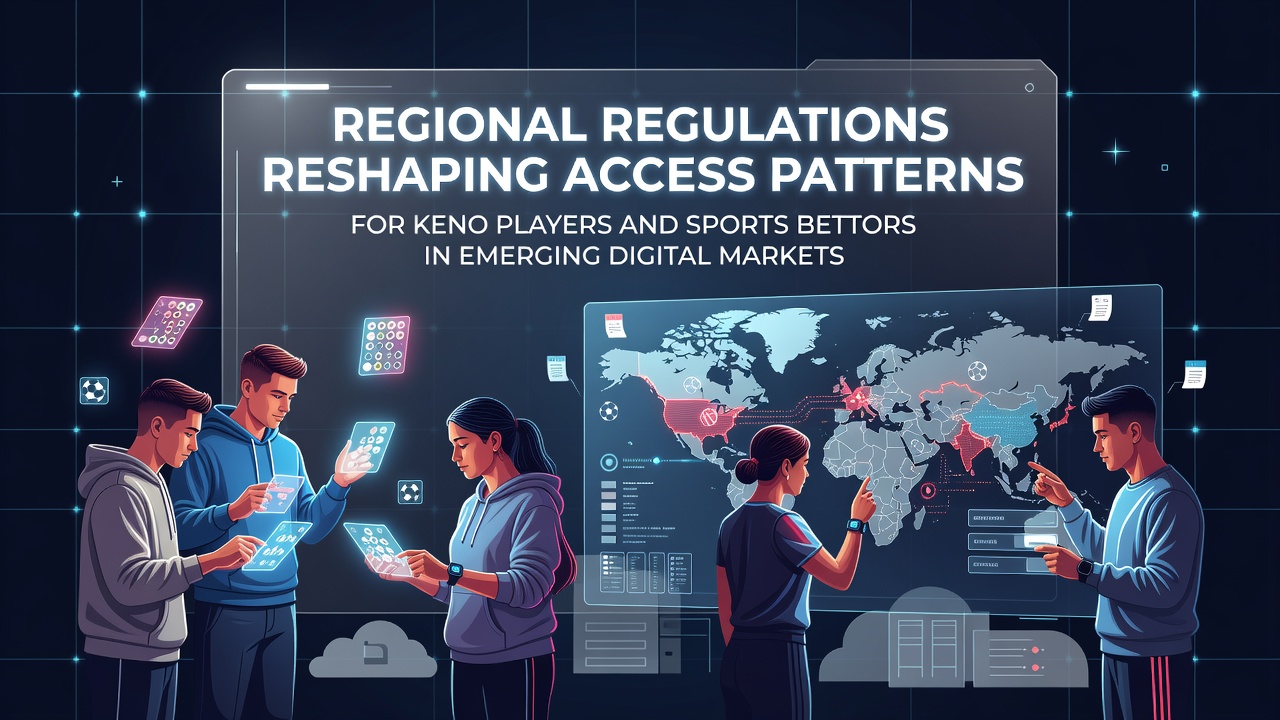
Regional Regulations Reshaping Access Patterns for Keno Players and Sports Bettors in Emerging Digital Markets
Regional regulations continue to alter how Keno players and sports bettors reach digital platforms in emerging markets, and these shifts often stem from licensing requirements, age verification rules, and cross-border payment restrictions that governments implement at different times. Data from multiple jurisdictions shows operators adapting their geo-blocking tools and user onboarding processes to comply with local mandates while players adjust their choice of sites and payment methods accordingly.
Latin American Policy Shifts Drive Platform Changes
Brazil introduced comprehensive sports betting legislation in 2023 with phased implementation that reached full effect by mid-2025, yet further refinements scheduled for July 2026 now require licensed operators to maintain separate servers for domestic users and to block access from unlicensed international sites. Keno, which falls under lottery-style regulations in several Brazilian states, faces tighter integration with official state lotteries, forcing digital providers to partner with local entities or exit certain regions. Observers note that bettors in São Paulo and Rio de Janeiro increasingly route through approved apps rather than offshore domains, and transaction data indicates a measurable drop in cross-border deposits during the first quarter of 2026.
Mexico and Colombia have followed parallel tracks with federal oversight bodies issuing new technical standards for identity checks that apply equally to sports betting and number-draw games such as Keno. These standards require real-time document scanning and facial recognition for accounts exceeding certain deposit thresholds, which has lengthened signup flows yet reduced instances of underage participation according to government compliance reports.
North American Provincial and State Adjustments
Canadian provinces continue to refine their iGaming frameworks, and Ontario’s expanded rules effective in 2025 now extend to Keno offerings that previously operated under lottery exemptions. Sports bettors in the province encounter daily deposit caps tied to verified income levels, while operators must report player location data every 24 hours to the provincial regulator. Figures from the Alcohol and Gaming Commission of Ontario reveal that average session lengths for regulated sports betting have shortened since the caps took hold, whereas Keno participation remains steadier because many users treat it as a quick-draw lottery rather than a wagering product.
Meanwhile several U.S. states that legalized sports betting between 2018 and 2022 have begun reviewing Keno-style offerings under existing lottery statutes, and July 2026 marks the deadline for operators in one mid-Atlantic jurisdiction to migrate all digital Keno traffic onto state-run platforms or cease service. Researchers tracking access logs report that users in affected areas have shifted toward mobile apps hosted by official lottery operators rather than third-party sites.
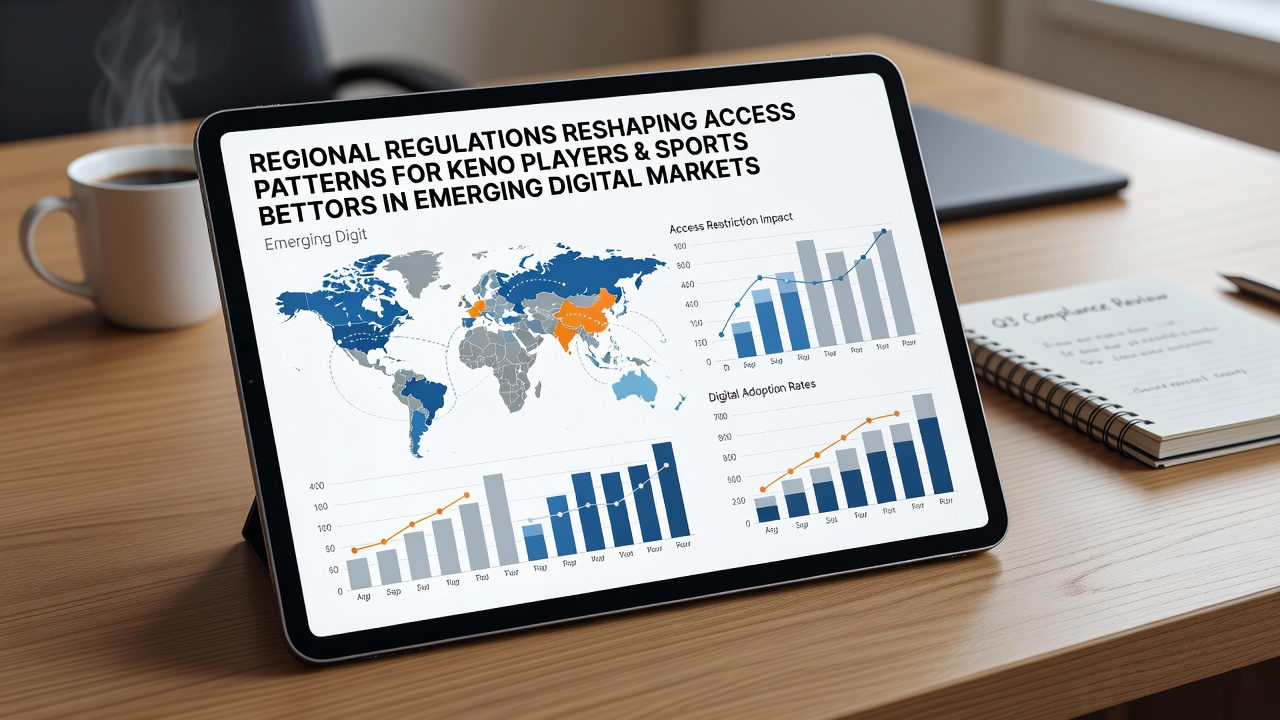
Asia-Pacific Markets Introduce Tiered Licensing
Australia’s state-based approach continues to produce varied outcomes, and New South Wales updated its digital wagering code in early 2026 to include mandatory spend-tracking tools that apply to both sports betting and Keno. Operators must display real-time loss limits and offer instant self-exclusion across all products, which has prompted some international platforms to geo-block the entire state rather than rebuild their systems. Data released by the Australian Communications and Media Authority shows a corresponding rise in traffic to licensed local apps among users who previously accessed offshore Keno rooms.
India maintains a patchwork of state-level rules where sports betting remains largely prohibited outside of a few horse-racing exceptions, yet several states have signaled interest in regulated lottery-style games including Keno. Observers tracking enforcement actions note that authorities increasingly target payment gateways that process transactions for unlicensed foreign sites, which in turn pushes users toward domestic alternatives when those become available.
Payment Rails and VPN Usage Patterns
Payment restrictions represent one of the most visible tools regulators deploy, and emerging markets in Latin America and Southeast Asia have directed banks and e-wallet providers to decline transactions involving unlicensed gambling merchants. Sports bettors accustomed to cryptocurrency deposits now encounter additional verification layers, while Keno players relying on prepaid vouchers face daily purchase caps in several jurisdictions. Studies compiled by academic researchers at institutions in Canada and Australia indicate that these measures correlate with increased use of VPN services, although success rates vary because many licensed operators also employ sophisticated IP filtering that detects common VPN endpoints.
Enforcement remains inconsistent across borders, and players often discover that a platform accessible one week becomes unreachable the next when a new licensing round concludes or when a regulator publishes an updated blacklist. Those who follow regulatory announcements closely can anticipate these changes, yet casual users frequently report frustration when their preferred sites suddenly require new registration through a local partner.
Conclusion
Regional regulations continue to fragment access for Keno players and sports bettors across emerging digital markets, and the July 2026 deadlines in multiple jurisdictions will likely accelerate the migration toward licensed domestic platforms. Payment controls, identity verification mandates, and licensing partnerships collectively shape which sites remain reachable, while usage data from regulators in Brazil, Canada, and Australia shows measurable shifts in player behavior. Operators and users alike must monitor these evolving rules because compliance landscapes change quickly and affect both product availability and transaction methods.