Regulatory Transformations Affecting Cross-Border Digital Blackjack, Roulette, and Sports Wagering
Written by Mara Richter · Jun 21, 2026
Regulatory Transformations Affecting Cross-Border Digital Blackjack, Roulette, and Sports Wagering
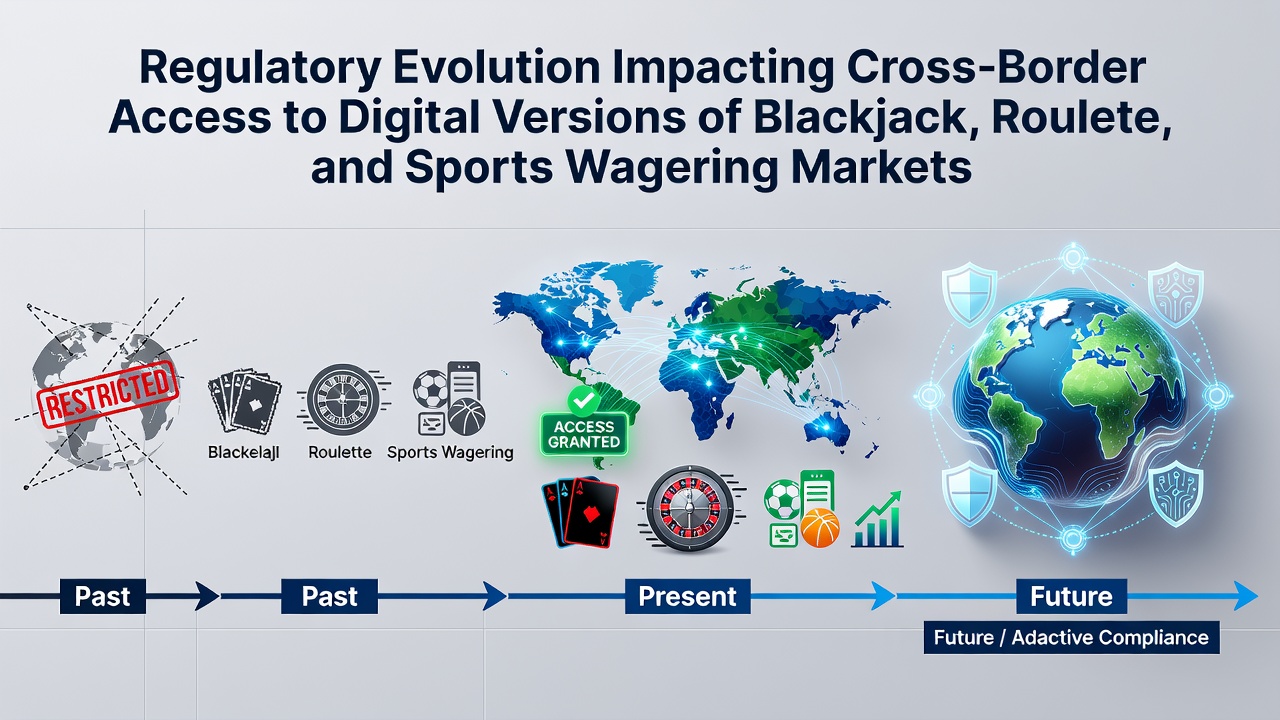
Regulatory frameworks governing digital access to blackjack, roulette, and sports wagering have undergone substantial revisions across multiple jurisdictions since the early 2020s, and these changes continue to influence how operators and players interact across national borders. Data from industry reports indicate that licensing requirements, data localization rules, and age verification standards have tightened in several regions, which in turn affects the availability of platforms offering these games to users located outside the licensing territory.
Key Jurisdictional Developments Through Mid-2026
European Union member states have implemented varying degrees of harmonization under directives that address online gambling services, yet national differences persist in areas such as taxation structures and player fund segregation. Observers note that countries including Malta and Sweden maintain distinct licensing regimes that permit operators to serve international markets under specific conditions, whereas others impose stricter geo-blocking mandates. Research from academic institutions tracking these patterns shows that enforcement actions against unlicensed cross-border offerings increased notably between 2023 and 2025.
In North America, Canadian provinces have expanded regulated markets for sports wagering and table games, with Ontario's framework allowing licensed platforms to accept players from within the province while restricting access from other regions. Figures released by the Alcohol and Gaming Commission of Ontario reveal steady growth in licensed operator numbers alongside ongoing negotiations regarding interprovincial data sharing agreements. Meanwhile, several U.S. states have adopted similar models that limit digital roulette and blackjack offerings to in-state residents, creating a patchwork that complicates nationwide or international participation.
Technical and Operational Implications for Operators
Operators must now integrate sophisticated geolocation technologies and comply with varying know-your-customer protocols that differ by jurisdiction, and these requirements directly impact the deployment of blackjack, roulette, and sports wagering products. According to analyses from the European Gaming and Betting Association, platforms have invested heavily in compliance infrastructure to manage cross-border restrictions without disrupting service for authorized users. Such investments include real-time verification systems that cross-reference player locations against regulatory databases maintained by individual licensing bodies.
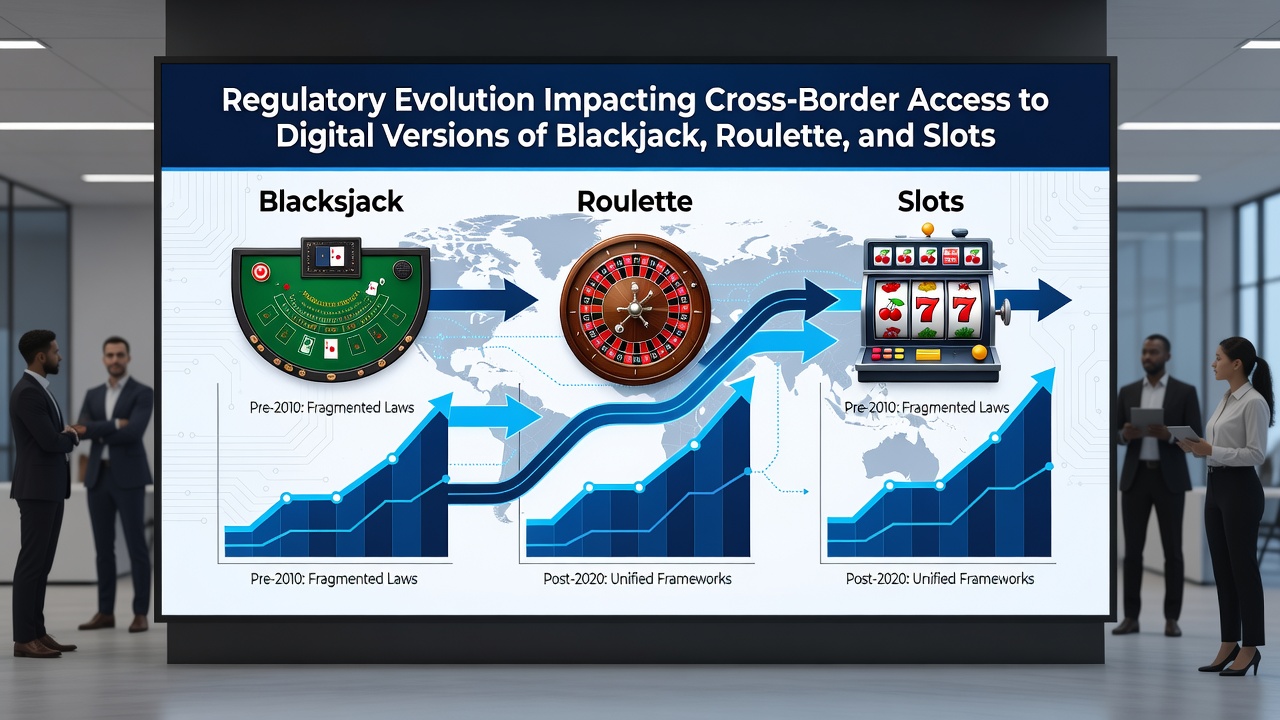
Payment processing represents another area where regulatory evolution has created friction. Jurisdictions increasingly require operators to partner with locally licensed financial institutions, which limits the seamless transfer of funds for users attempting to access services from abroad. Studies conducted by university research teams examining transaction flows demonstrate that these rules have reduced certain forms of unauthorized cross-border activity while simultaneously prompting licensed operators to develop region-specific product variations.
Effects on Player Access and Market Dynamics
Players seeking digital versions of blackjack, roulette, and sports wagering encounter different experiences depending on their location and the regulatory stance of both their home jurisdiction and the operator's base. In regions where licensing agreements permit limited international access, users may find restricted game selections or adjusted betting limits designed to align with foreign compliance standards. Data compiled by market research firms indicate that these adjustments have led to segmented user bases rather than fully global platforms.
By June 2026, several anticipated updates to multilateral agreements are scheduled to take effect, including enhanced cooperation mechanisms between regulatory authorities in Australia and select Asian markets. These developments aim to streamline information exchange on player behavior and operator conduct, which could further refine how cross-border access is granted or denied for specific game categories.
Conclusion
The ongoing regulatory evolution continues to shape the landscape for digital blackjack, roulette, and sports wagering by establishing clearer boundaries around permissible cross-border activity. Licensed operators adapt through technology and partnerships, while regulatory bodies refine enforcement strategies based on emerging data. Those monitoring these trends observe that the balance between consumer protection and market access remains a central focus across diverse jurisdictions, with new frameworks expected to build upon existing models in the years ahead.