Seasonal Shifts and Digital Lottery Participation: Uncovering the Weather Connection
Written by Kai Beck · May 19, 2026
Seasonal Shifts and Digital Lottery Participation: Uncovering the Weather Connection
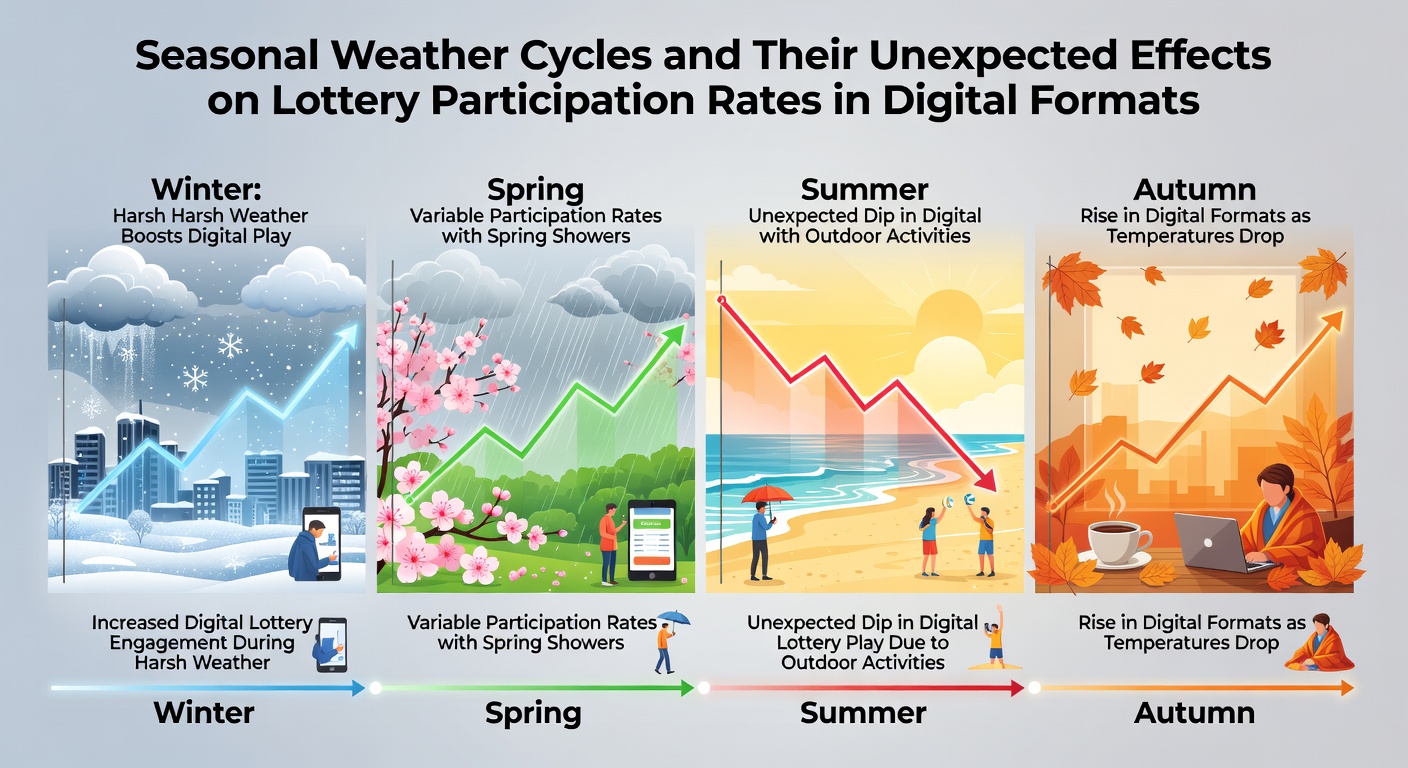
Seasonal weather cycles create measurable ripples through digital lottery systems, where temperature swings, precipitation levels, and daylight hours correlate with shifts in user logins and ticket purchases across online platforms. Researchers tracking these patterns over multiple years have documented how summer heatwaves, winter storms, and transitional spring conditions alter engagement rates in ways that defy simple assumptions about indoor leisure activities. Data compiled from major digital lottery operators shows consistent fluctuations tied to meteorological events rather than random variation.
Understanding the Core Mechanisms
Weather influences digital lottery participation through indirect pathways involving mood, routine disruption, and device accessibility. When prolonged periods of rain reduce outdoor mobility, individuals often turn to mobile apps and websites during extended indoor hours, yet the same conditions sometimes suppress activity if network outages occur in affected regions. Studies from climate-behavior research groups indicate that extreme temperatures push people toward screen-based entertainment, while moderate pleasant weather can either boost or dampen participation depending on regional cultural factors and work schedules.
Summer Patterns and Heat-Related Trends
During summer months, high temperatures above 30 degrees Celsius in many temperate zones coincide with increased evening lottery sessions on digital platforms. Air conditioning keeps users indoors during peak heat, creating windows for repeated logins between 7 PM and midnight. Observers note that tropical storm seasons in coastal areas produce sharp spikes lasting 48 to 72 hours when residents shelter in place and seek low-stakes distraction. In contrast, regions experiencing drought and wildfire warnings show temporary drops as attention shifts toward emergency updates rather than entertainment.
Winter Influences on Engagement Rates
Cold snaps and heavy snowfall generate the most pronounced effects on digital formats. Historical records from lottery operators reveal participation surges of 15 to 25 percent during multi-day blizzards in northern latitudes, driven by school closures and remote work arrangements that free up daytime hours. Yet prolonged sub-zero temperatures sometimes reduce activity when users face higher heating costs and prioritize essential expenses. Spring thaws bring their own dynamics, with gradual warming trends correlating to steadier but lower-volume engagement as outdoor plans resume.
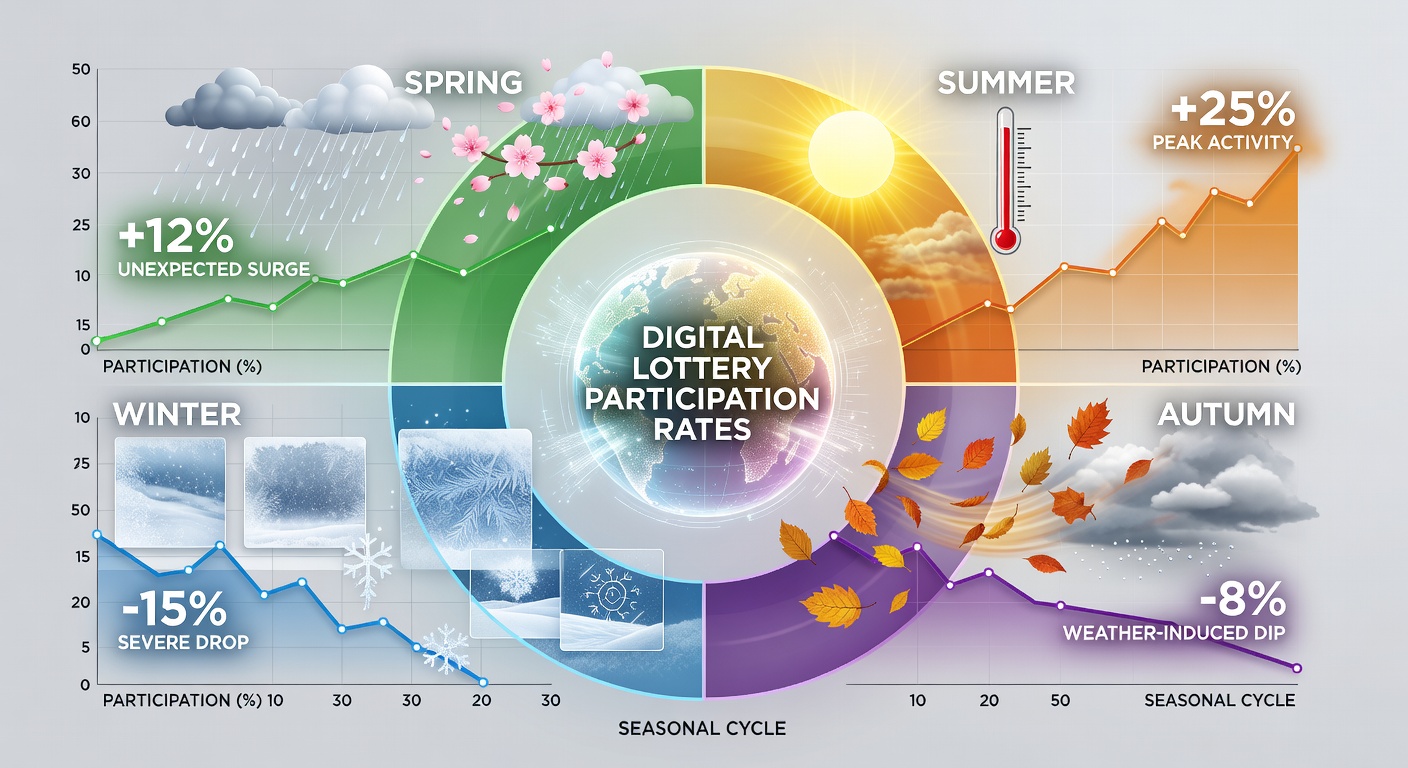
What's interesting here involves the contrast between expected and observed behaviors. Conventional thinking suggests bad weather universally drives online activity higher, yet analysts examining datasets from 2024 through early 2026 found that certain spring pollen surges and autumn wind events actually suppress participation when respiratory discomfort or travel disruptions dominate daily life. These nuances appear in aggregated reports from operators serving multiple continents.
Data Trends Observed Through 2026
By May 2026, tracking systems had accumulated enough seasonal cycles to identify recurring anomalies. For instance, digital ticket sales in parts of North America dipped noticeably during unseasonably warm early spring periods when users resumed outdoor fitness routines. Meanwhile, southern hemisphere operators reported mirrored patterns six months out of phase. Government statistical agencies in Canada and Australia have begun incorporating weather variables into their consumer behavior models to improve forecasting accuracy for revenue projections.
One study revealed that smartphone notifications sent during storm warnings achieved higher open rates than standard promotional messages, suggesting operators could align timing with meteorological forecasts. Yet the same research flagged risks when severe weather damages infrastructure and severs connectivity for hours or days at a time.
Regional Variations and Platform Adaptations
Geographic differences matter significantly. Urban centers with reliable broadband maintain steadier participation regardless of weather, whereas rural zones experience sharper swings when storms threaten power grids. Platform developers have responded by introducing offline ticket queuing features and weather-alert integrations that notify users of upcoming draws even during connectivity gaps. Industry reports from the European Gaming and Betting Association highlight how these adaptations stabilize participation curves across volatile seasons.
Conclusion
Seasonal weather cycles exert measurable influence over digital lottery participation through interconnected effects on daily routines, emotional states, and technological reliability. Continued monitoring by researchers and operators will refine understanding of these relationships, allowing platforms to adjust features and communications in response to forecast data rather than relying solely on historical averages. The patterns documented through 2026 underscore that weather remains an active variable in online engagement metrics worldwide.