Software Innovations Transforming Interactions in Electronic Keno, Bingo, and Lotteries
Written by Yves Friedrich · Jun 7, 2026
Software Innovations Transforming Interactions in Electronic Keno, Bingo, and Lotteries
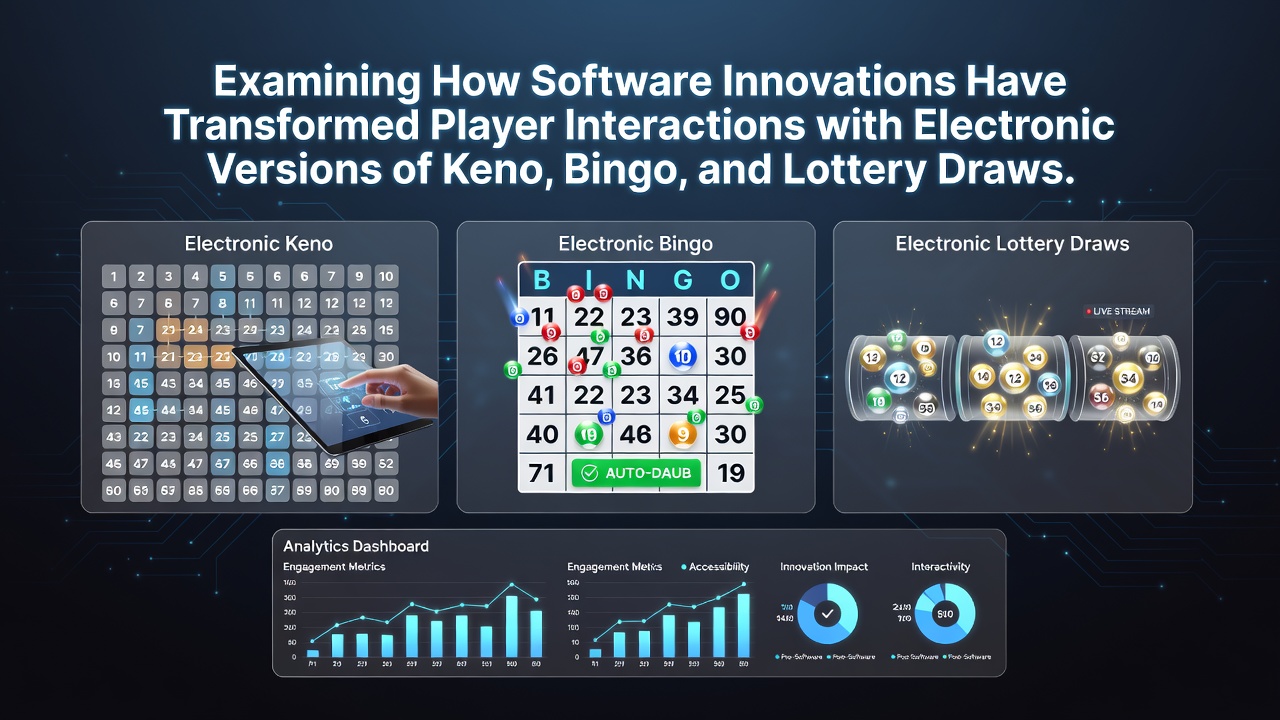
Electronic versions of keno, bingo, and lottery draws have evolved through successive layers of software development that altered how participants select numbers, monitor outcomes, and engage with draws, and these changes accelerated as platforms integrated real-time data processing with mobile interfaces. Early digital adaptations relied on basic random number generators that mirrored paper-based systems, yet subsequent upgrades introduced automated ticket validation and instant result notifications that reduced wait times between draws.
Core Software Components Driving Change
Random number generator algorithms form the foundation for all three game types, and certification standards from bodies such as teh New Jersey Division of Gaming Enforcement require statistical testing to confirm fairness across millions of simulated outcomes. Developers added layered features including multi-draw scheduling tools and historical result archives that allow players to review patterns without leaving the interface, while backend systems track participation metrics to adjust prize structures dynamically.
Integration of application programming interfaces enabled seamless connections between lottery operators and third-party payment processors, and this connectivity expanded in regions where regulators permitted digital ticket sales. Bingo platforms incorporated chat modules and virtual daubing assistants that synchronize across multiple rooms, whereas keno interfaces began supporting customizable number grids that save player preferences across sessions.
Player Interaction Shifts in Each Format
Keno sessions moved from fixed-location terminals to browser-based and app environments that deliver results within seconds of each draw cycle, and software now supports simultaneous play across several variants with auto-selection options that apply statistical filters chosen by the user. Data from the Nevada Gaming Control Board shows steady growth in keno participation on digital channels between 2022 and 2025 as latency dropped below one second on average.
Bingo software introduced progressive jackpot pools shared across networked rooms, and players receive notifications when specific number combinations approach completion, which keeps attention focused during longer sessions. Automated voice announcements and animated number calls replaced static displays in many systems, and these elements combine with social leaderboards that display top scorers without revealing personal details.
Lottery draws gained subscription engines that purchase tickets according to pre-set parameters, and software dashboards present probability visualizations alongside past winning frequencies drawn from official archives. Several operators adopted geofencing to restrict access according to jurisdictional rules, and this same technology supports location-based promotions that trigger when users approach approved retail outlets.
Technical Milestones and Adoption Patterns
Cloud-based servers reduced downtime during peak draw periods, and load-balancing algorithms distribute traffic so that thousands of simultaneous users experience consistent response times. Security protocols evolved to include multi-factor authentication and encrypted ticket storage, measures that align with standards set by the Australian Communications and Media Authority for remote gambling services.

Artificial intelligence modules began analyzing individual play histories to suggest number combinations or game variants, and these recommendations appear only after explicit opt-in to maintain compliance with data-protection rules. Observers note that such personalization tools increased session duration in controlled studies conducted by academic researchers at the University of Nevada, Reno, although overall spending patterns remained within established limits for most participants.
Live-streaming technology synchronized video feeds of physical ball machines with digital overlays that highlight called numbers in real time, and this hybrid approach gained traction in both bingo and lottery formats by June 2026. Cross-platform synchronization allows a player to start a ticket on a desktop browser and finish selections on a mobile device without data loss, a capability that relies on continuous server replication.
Regulatory and Infrastructure Considerations
Software updates undergo review cycles that verify compliance with regional gaming statutes, and operators submit source code to independent testing labs before deployment. These processes ensure that features such as auto-play limits and reality-check pop-ups function correctly across different jurisdictions, and regulators in multiple Canadian provinces require annual audits of the underlying code.
Interoperability standards developed by industry consortia allow smaller lottery providers to connect to larger networks without rebuilding core systems from scratch. This modular approach lowered entry barriers for new electronic bingo operators while maintaining consistent user experiences across branded sites.
Conclusion
Software innovations continue to refine how participants interact with electronic keno, bingo, and lottery draws through incremental additions of automation, connectivity, and personalization layers. These developments rest on verified random number systems and regulatory oversight that prioritize fairness and access control, and further refinements are expected as hardware capabilities expand into 2027.