Table Games Go Digital: Tracking Migration Patterns and New Player Trends
Written by Mara Richter · Aug 16, 2026
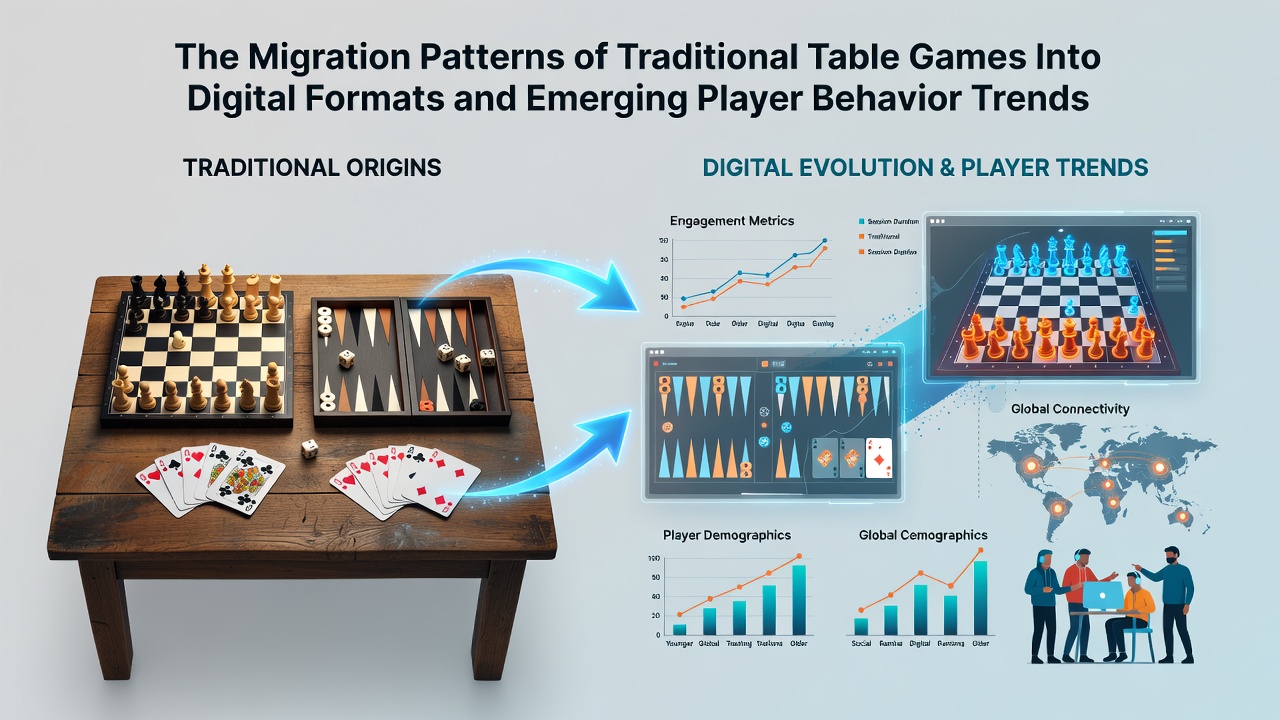
Table Games Go Digital: Tracking Migration Patterns and New Player Trends
Traditional table games such as blackjack, roulette, and poker have moved steadily into digital formats over recent decades, and data from multiple studies show clear patterns in how this shift occurred alongside changes in how players interact with these games. The process began with early online platforms in the 1990s that replicated physical rules, yet the pace accelerated once mobile devices became widespread and software allowed for live dealer streams plus virtual reality elements.
Early Digital Adoption and Platform Growth
Initial conversions focused on basic software versions that mirrored casino layouts, and developers quickly added features like random number generators to ensure fair outcomes while players accessed games from home computers. Research from the American Gaming Association indicates that online table game revenue in regulated markets grew from modest figures in the early 2000s to several billion dollars annually by the mid-2020s, driven by improved internet speeds and regulatory approvals in various jurisdictions. Observers note that poker sites gained particular traction because they introduced multiplayer tournaments that attracted competitive participants who previously gathered only at physical tables.
Key Table Games and Their Digital Versions
Blackjack adapted easily to digital interfaces with options for side bets and multi-hand play, while roulette gained visual appeal through animated wheels and live dealer broadcasts that connect remote users to real croupiers in studios. Baccarat followed a similar path, and experts tracking industry reports highlight how these adaptations preserved core mechanics yet introduced faster rounds suited to shorter attention spans common among mobile users. Poker variants expanded into formats such as video poker machines online and hybrid skill games that blend elements of chance with strategy, allowing players to participate across time zones without needing physical presence at a card room.
Player Behavior Shifts in Recent Years
Data collected through industry analytics reveal that session lengths have shortened considerably as mobile access rose, with many participants opting for quick games during commutes or breaks rather than extended casino visits. Studies conducted by research teams at institutions including the University of Nevada, Las Vegas, show increased interest in skill-based elements where outcomes depend partly on decisions rather than pure chance, and this trend appears stronger among younger demographics who grew up with video games. Social features integrated into apps encourage sharing achievements or competing in leaderboards, which mirrors group dynamics once limited to land-based settings but now occurs across global networks.
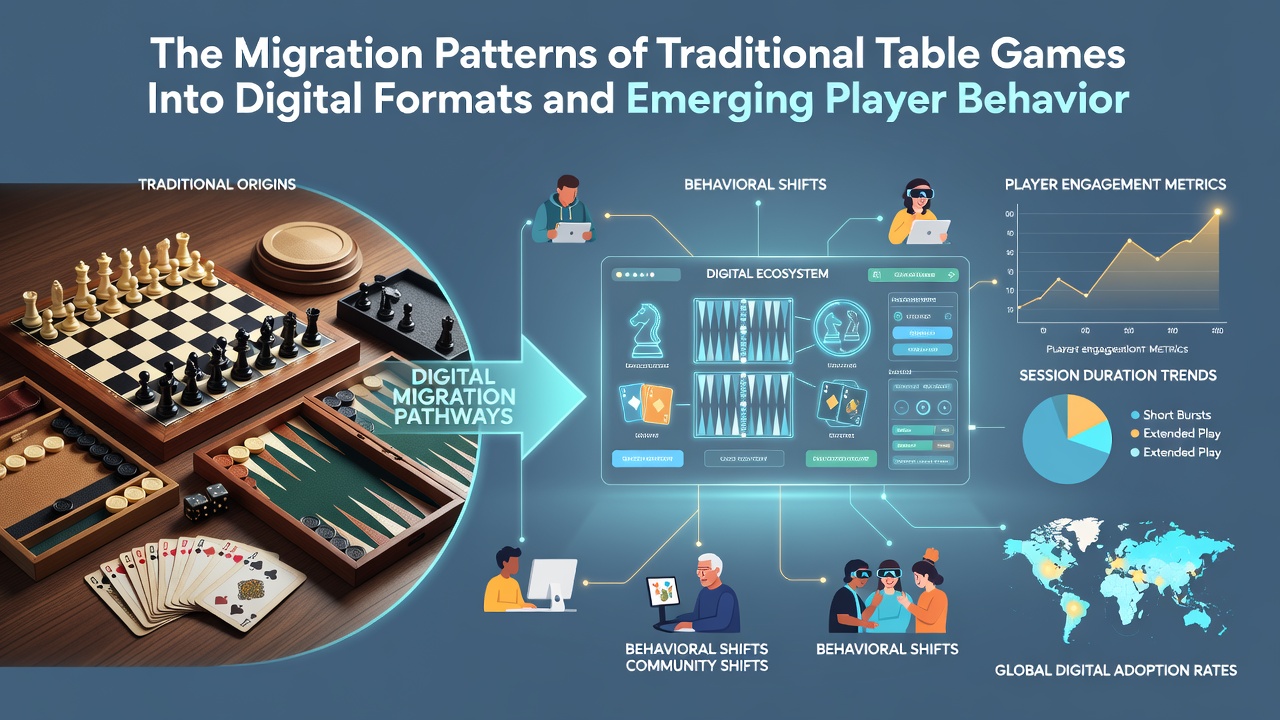
Live dealer technology has bridged physical and virtual experiences by streaming real-time action from professional tables, and figures from regulatory bodies in Australia indicate steady growth in participation rates for these hybrid options through 2025 and into August 2026. Players often combine multiple game types within single sessions, moving between table games and slots or incorporating bonus rounds that add variety without leaving the digital environment.
Regional Variations and Regulatory Influences
Markets in North America and Europe developed distinct preferences, whereas Asia-Pacific regions emphasized mobile-first designs due to high smartphone penetration. Canadian provincial regulators have documented rising adoption of digital table games in licensed operations, while reports from the Nevada Gaming Control Board track how online extensions complement physical resorts rather than replace them entirely. These patterns demonstrate that migration follows local laws and infrastructure, creating varied player bases that range from casual mobile users to dedicated tournament participants.
Emerging Technologies Shaping Future Play
Virtual reality integrations allow users to sit at simulated tables with avatars, and early trials reported by academic researchers suggest higher immersion levels that could extend engagement times once hardware costs decline further. Cryptocurrency payments appear in some platforms as an alternative transaction method, and data from trade associations reveal gradual uptake among tech-savvy segments without displacing traditional banking options. Artificial intelligence tools now personalize game recommendations based on past activity, which helps operators retain users while maintaining responsible gaming parameters set by oversight agencies.
Conclusion
Patterns of migration from physical table games to digital formats continue to evolve as technology advances and player habits adapt accordingly, with evidence from multiple sources showing sustained interest across diverse demographics and regions. The combination of preserved rules with added convenience and social elements has sustained growth, and ongoing developments in live streaming plus immersive tools point toward further integration of traditional experiences into digital spaces through the remainder of the decade.