The Shift from Physical to Virtual: How Game Mechanics Evolved with Internet Delivery
Written by Katja Baumann · Jul 12, 2026
The Shift from Physical to Virtual: How Game Mechanics Evolved with Internet Delivery
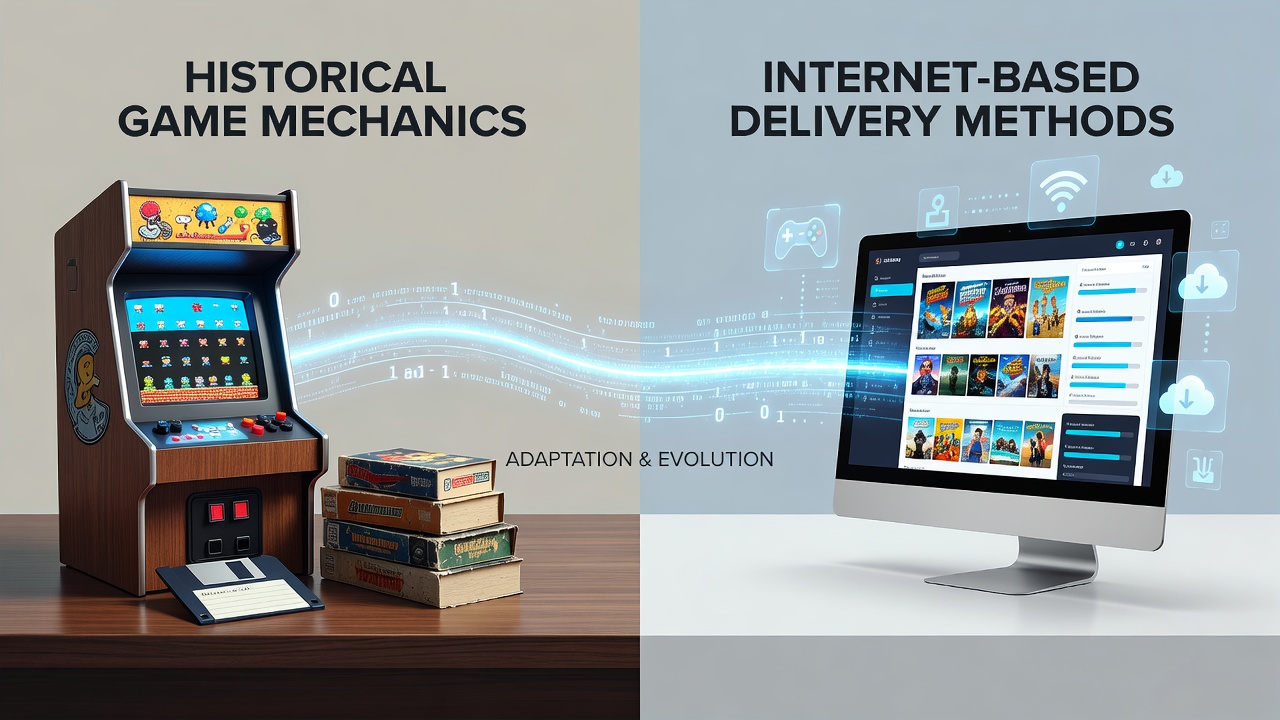
Physical casino games relied on mechanical components for decades before internet delivery transformed their core mechanics, and observers trace this adaptation through several distinct phases that began in the late 1990s. Mechanical slot machines used weighted reels and physical stops to determine outcomes while table games depended on shuffled decks and spinning wheels, yet internet platforms required new systems to replicate those functions across distributed networks.
Core Mechanics in Early Digital Conversion
Developers translated reel-based randomness into pseudorandom number generators during the first wave of online slots, and those algorithms maintained the same probability distributions that physical reels produced even though the hardware disappeared. Blackjack rules stayed consistent when programmers recreated card decks through digital shufflers that followed the same 52-card constraints, but network latency introduced timing adjustments that physical tables never needed.
Data from the Nevada Gaming Control Board shows that by 2005 more than 60 percent of licensed online operators had implemented certified RNG systems tested against historical mechanical payout rates. Those certifications ensured that virtual outcomes matched the hit frequencies of their land-based predecessors while adding server-side verification that physical machines could not provide.
Multiplayer Adaptations and Real-Time Synchronization
Live dealer games emerged around 2006 as a bridge between physical table mechanics and remote play, and they preserved the dealing sequence and betting order of traditional blackjack and roulette while routing video feeds through internet protocols. Synchronization software compensated for variable connection speeds so that all participants received the same sequence of cards or wheel results regardless of geographic location.
Researchers at the University of Nevada Las Vegas documented how these systems reduced disputes over outcome integrity compared with early RNG-only platforms, since visible dealer actions aligned with established physical procedures. By July 2026 regulatory updates in several North American jurisdictions required timestamped audit logs for every live stream to further align digital handling with historical record-keeping standards.
Bonus Features and Layered Probability Structures
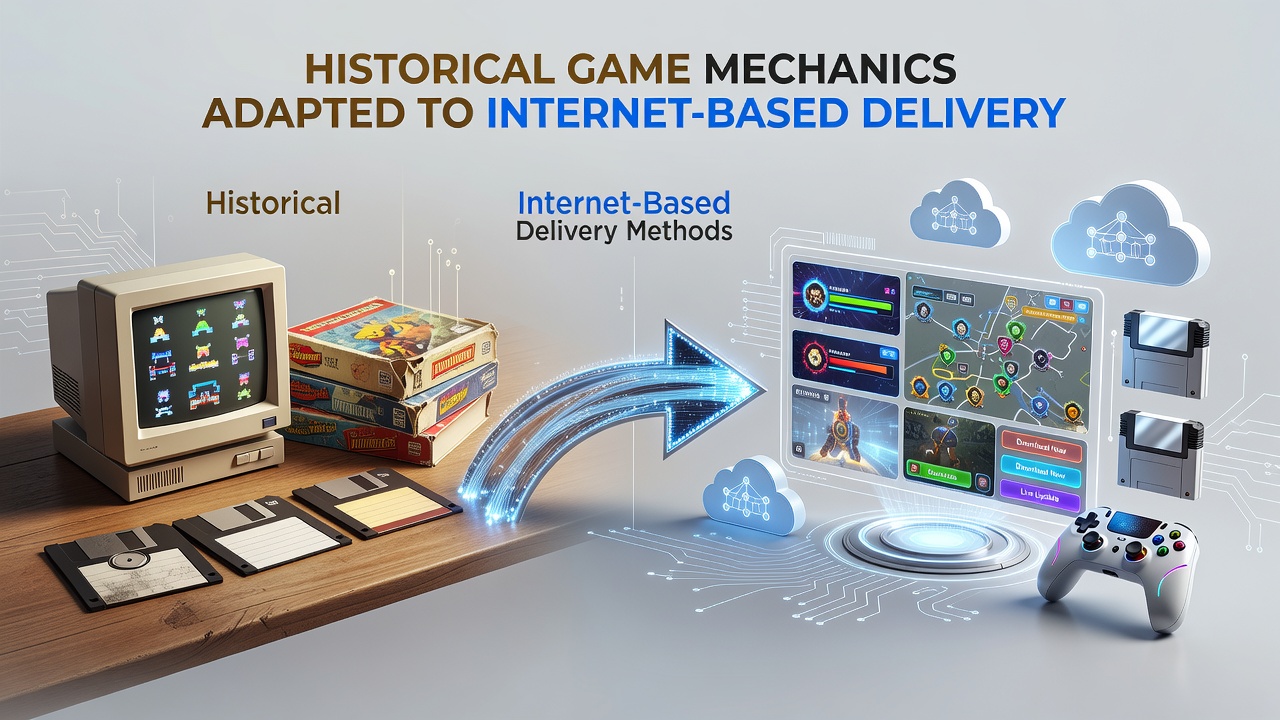
Traditional slot bonuses once consisted of simple free-spin rounds triggered by specific symbol combinations, yet internet delivery allowed designers to embed nested mechanics such as pick-and-click selections and progressive multipliers that still respected the original game's base hit rate. These additions connected to the same random number streams used for regular spins, preserving overall return-to-player percentages while expanding player interaction time.
Industry reports from the American Gaming Association indicate that by 2015 over 80 percent of online slot titles incorporated at least one secondary mechanic absent from their 1990s mechanical counterparts. The new layers required additional certification steps, and testing laboratories verified that each added feature maintained statistical independence from the primary reel outcomes.
Regulatory and Technical Constraints Driving Change
Government agencies in multiple regions mandated that digital versions demonstrate equivalence to physical randomness standards, and this requirement shaped how developers implemented seed generation and outcome logging. Australian state regulators, for example, required independent verification of every virtual deck shuffle against historical dealing distributions before approving new titles.
Network security protocols added encryption layers around game-state data that physical machines never needed, and those measures prevented external interference while keeping the visible mechanics familiar to players accustomed to land-based versions. The result was a hybrid architecture where the front-end interface echoed classic designs and the back-end systems handled distribution and verification.
Conclusion
Internet delivery preserved the fundamental probability structures of historical game mechanics while introducing synchronization, verification, and interaction layers that physical equipment could not support. Certification data, regulatory frameworks, and technical documentation show consistent efforts to maintain outcome equivalence across both environments, and those adaptations continue to evolve as bandwidth and processing capabilities expand.