Tracing Algorithmic Connections Between Digital Keno Draws and Bingo's Number Selection Heritage
Written by Katja Baumann · Jul 21, 2026
Tracing Algorithmic Connections Between Digital Keno Draws and Bingo's Number Selection Heritage
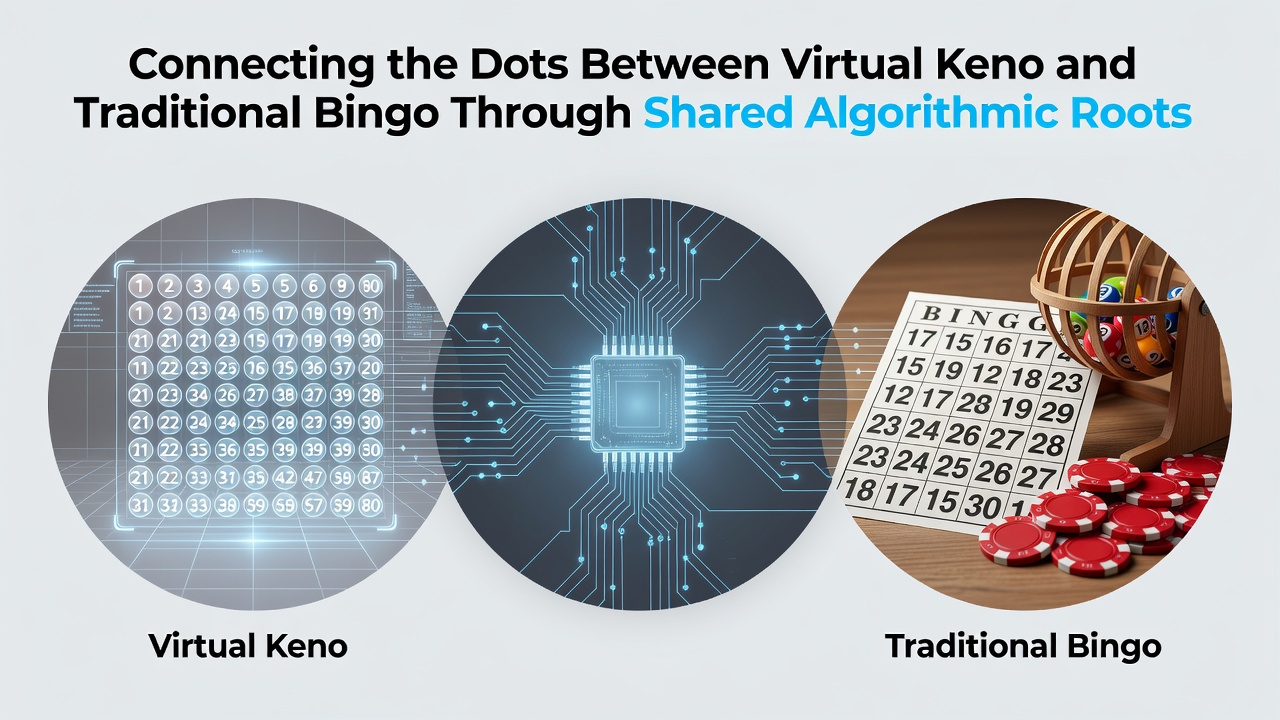
Virtual keno platforms and traditional bingo sessions both rely on systems that select numbers at random from defined pools, and observers note how software implementations in digital formats draw directly from the mechanical randomization principles that have defined bingo for generations. These shared foundations appear in the way each game structures its draws, whether through physical balls tumbling in a cage or pseudorandom sequences generated by certified algorithms that replicate uniform distribution across outcomes.
Historical Patterns in Number Selection Methods
Bingo emerged in the early twentieth century as a variant of earlier lotteries and games of chance, where participants marked cards based on numbers called from a central pool, and the process ensured every number held equal probability through physical mixing. Keno, with roots stretching further back into Chinese lottery traditions adapted in Western contexts during the nineteenth century, operates on a similar premise of selecting a subset of numbers from a larger field, typically eighty options, with winners determined by matches. Researchers have documented that both formats prioritize fairness through mechanisms that prevent predictability, which explains why virtual adaptations preserve these core selection logics in code rather than hardware.
Data from gaming regulatory bodies shows that operators must certify their random systems against standards that mirror the statistical properties of manual draws, and this requirement creates direct continuity between physical bingo halls and online keno interfaces. In July 2026, updates from the Nevada Gaming Control Board highlighted ongoing audits confirming that licensed platforms maintain draw integrity comparable to legacy equipment, underscoring how algorithmic verification processes now extend the same assurances once provided solely by mechanical inspection.
Core Algorithmic Structures in Modern Implementations
Software engineers design virtual keno systems around pseudorandom number generators that cycle through sequences seeded by external entropy sources such as hardware timers or atmospheric noise, producing results that pass statistical tests for uniformity and independence. Traditional bingo achieves equivalent randomness through physical agitation of numbered balls, yet the outcome distribution follows identical mathematical rules of equal likelihood. Those who've examined both systems point out that certification laboratories apply the same suite of tests, including chi-square analyses and runs tests, to validate digital outputs against the benchmarks established for physical equipment.
What's notable is the modular architecture shared across implementations, where a central randomization module feeds results into game logic layers for bingo cards or keno tickets alike. This separation allows operators to swap physical draw devices for algorithmic ones without altering player-facing rules, and industry reports from the Malta Gaming Authority illustrate how such migrations have occurred seamlessly in regulated markets since the early 2000s.

Take one case where developers adapted bingo hall software to support keno variants by reusing the same random draw engine, which demonstrates practical reuse of proven algorithmic components across game types. Evidence from academic studies on gaming mathematics reveals that the period length and seed management techniques in these engines ensure no short-term repetition patterns, mirroring the non-repeating nature of physical ball extractions over multiple sessions.
Regulatory Oversight and Statistical Equivalence
Government agencies across multiple jurisdictions enforce testing protocols that treat virtual and traditional formats under unified standards, requiring proof that algorithmic selections exhibit the same variance and independence as manual methods. The Australian Communications and Media Authority has published guidelines that explicitly reference bingo precedents when evaluating keno platforms, noting that both must demonstrate compliance through third-party audits conducted at regular intervals. Figures from these audits indicate failure rates below 0.1 percent for certified systems, which reflects rigorous alignment with historical performance metrics from physical operations.
Observers note that this regulatory convergence stems from the fundamental algorithmic overlap, where the goal remains preserving player trust through verifiable randomness regardless of delivery method. Research institutions such as the University of Nevada's gaming research division have contributed papers detailing how entropy harvesting techniques in digital environments replicate the unpredictability once achieved exclusively through physical means, and these findings continue to inform certification criteria used worldwide.
Player Experience and Interface Parallels
Interface designers incorporate visual cues in virtual keno that echo the sequential reveal process familiar from bingo callers, such as animated ball drops or numbered markers appearing on cards, which reinforces continuity for participants transitioning between formats. Backend systems log every draw with timestamps and seed values to enable post-session verification, a practice that extends the transparency long associated with witnessed physical extractions in community halls. Those who've studied player behavior data find that retention rates remain consistent across both modalities when randomization integrity meets established thresholds.
Conclusion
The algorithmic lineage connecting virtual keno to traditional bingo rests on shared requirements for uniform random selection, certified distribution properties, and regulatory equivalence that together maintain game integrity across technological shifts. Documentation from diverse oversight bodies confirms these roots continue to guide development and auditing practices, ensuring that digital evolutions preserve the foundational principles established in earlier mechanical eras.