Virginia Governor Vetoes Skill Games and Casino Bills in Quick Succession, Pushes for Unified Gaming Regulator
Written by Kai Beck · Apr 12, 2026

Virginia Governor Vetoes Skill Games and Casino Bills in Quick Succession, Pushes for Unified Gaming Regulator
Observers note how Virginia's gaming landscape shifted dramatically on April 11, 2026, when Governor Abigail Spanberger vetoed Senate Bill 661, a measure aimed at legalizing up to 25,000 skill games across the state; this action came just one day after she rejected Senate Bill 756 on April 10, which sought to greenlight a commercial casino resort in Fairfax County. According to reports from Casino.org, the governor stood firm on her position, reiterating calls for lawmakers to create and fund a centralized, independent gaming regulatory commission to manage all gambling forms in Virginia.
The Bills at the Center of the Vetoes
Senate Bill 661 targeted skill games, those electronic machines often found in convenience stores, truck stops, and bars, which blend elements of chance and player skill while dispensing cash prizes; proponents argued the bill would regulate up to 25,000 such devices statewide, generating significant tax revenue estimated in the tens of millions annually, yet critics highlighted ongoing disputes over their legal status since a 2023 Virginia Supreme Court ruling deemed many illegal. Turns out, the measure proposed a 15% tax on gross gaming revenues from these machines, with funds directed toward school construction and water quality programs, but it stopped short of full integration into the state's broader gambling framework.
And then there's Senate Bill 756, passed by the General Assembly to designate Fairfax County as eligible for one of Virginia's five commercial casino licenses; this northern Virginia locality, home to over a million residents and major economic hubs, positioned itself aggressively for the project, promising billions in investment and thousands of jobs, although previous casino approvals in cities like Norfolk and Portsmouth already stirred debates on economic benefits versus social costs. Data from state analyses showed potential annual gaming taxes exceeding $300 million from a Fairfax resort, but the bill's path hit a wall with the governor's pen.
What's interesting here lies in the timing; lawmakers sent both bills to her desk amid a session wrapping up heated negotiations on gaming expansion, and her back-to-back vetoes marked the second straight year she's blocked similar measures without that key regulatory piece in place.
Governor Spanberger's Stated Rationale and Demands
In her veto statements, Governor Spanberger emphasized risks tied to fragmented oversight, where skill games and casinos might operate under patchwork rules leading to illicit activity and weak consumer protections; she pointed specifically to disproportionate impacts on low-income and minority communities, areas where unregulated machines have proliferated unchecked. According to Gambling Insider, the governor demanded a fully funded, independent commission modeled after bodies like the Nevada Gaming Control Board, one capable of licensing operators, enforcing standards, and monitoring all gambling verticals from lotteries to sports betting.
Experts who've tracked Virginia's gaming evolution observe how her stance echoes broader national trends, where states like New Jersey established robust regulators post-PASPA repeal to handle sports betting booms; without such a body, she argued, Virginia risks underground markets thriving alongside legal ones, a scenario playing out with the estimated 40,000 skill games currently operating in legal limbo across gas stations and fraternal halls.
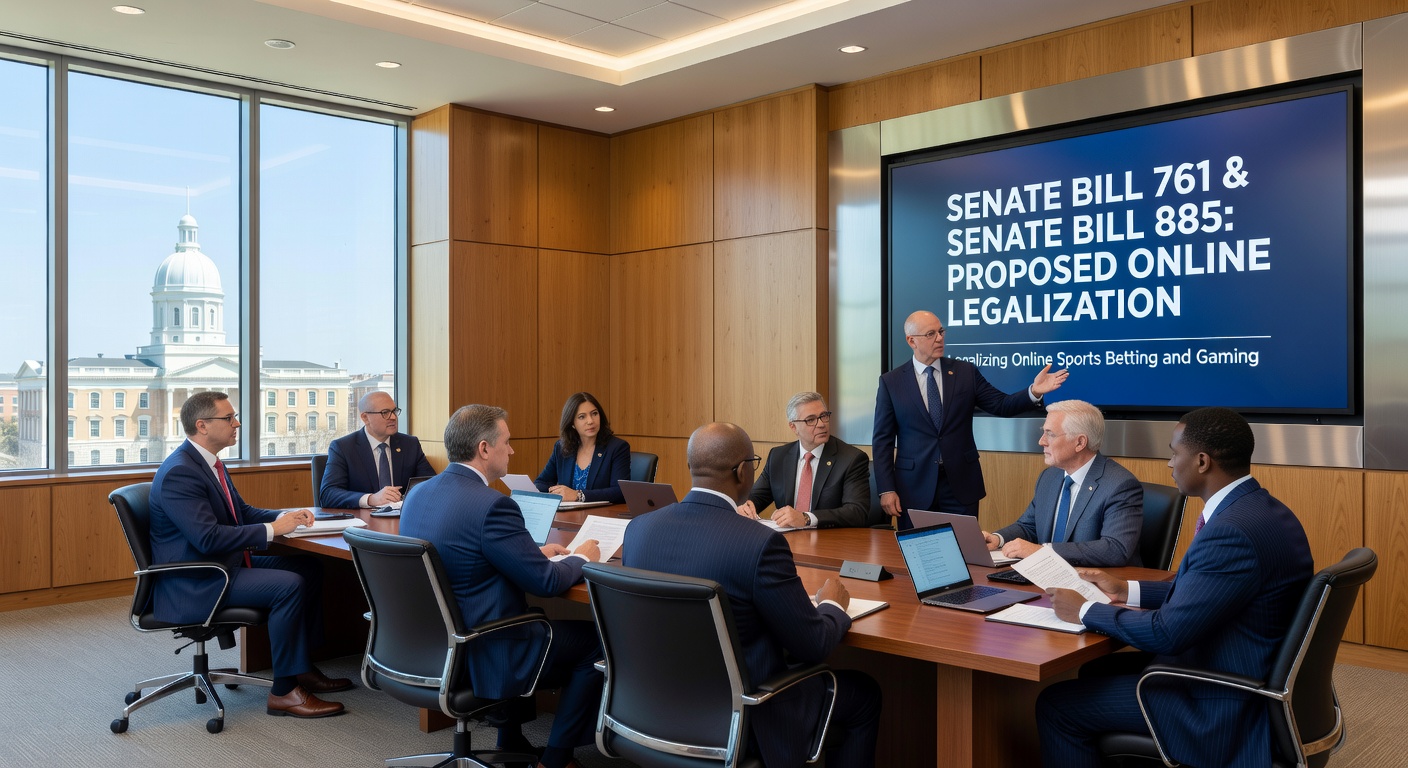
But here's the thing: her veto messages laid out a clear path forward, urging the General Assembly to prioritize the commission in the next session starting January 2027, complete with dedicated funding from gaming taxes rather than general funds; this approach, she noted, would prevent the "wild west" scenarios seen in other states rushing expansions without infrastructure.
Virginia's Gaming History Leading to This Moment
Those who've studied the state's trajectory know Virginia transformed from a gambling holdout into a mid-Atlantic player over the past decade; commercial casinos gained approval in 2020 via a constitutional amendment, leading to operational resorts in Danville and Bristol by 2023, while sports betting launched online and retail in early 2021 under the Virginia Lottery's oversight. Figures from the Virginia Lottery reveal sports wagering generated over $400 million in taxes by 2025, fueling education and problem gambling programs, yet skill games remained a contentious outlier.
Take the 2023 Supreme Court decision, which invalidated a 2020 law banning skill games after operators claimed they weren't pure chance devices; since then, local jurisdictions imposed bans in places like Richmond and Alexandria, but enforcement proved spotty, with machines resurfacing under new guises. Lawmakers introduced dozens of bills over three sessions to regulate them, often clashing over tax rates and placement caps; SB 661 represented the latest compromise, capping machines at four per location in non-casino zones while requiring age verification and anti-addiction tech.
Similarly, Fairfax County's casino push built on 2022 referendums in five regions, where Portsmouth and Danville voters approved projects now under construction; Fairfax leaders, facing stalled progress after initial bids faltered, lobbied hard for inclusion, citing commuter wealth and proximity to D.C. as draws for high-rollers. Yet observers note how the governor's prior veto of a 2025 Fairfax bill signaled her consistency on regulation-first.
Skill Games Defined: A Quick Primer
- Machines resemble video poker or slots but include skill-based mini-games to skirt gambling definitions.
- Operators claim 15-25% house edges, lower than traditional slots.
- Virginia estimates peg their annual handle at $5 billion, untaxed and unregulated.
- Proponents, including truck stop owners, say legalization curbs crime; opponents link them to addiction spikes.
Now, with vetoes in hand, the bills head back to the General Assembly for potential overrides, a high bar needing two-thirds majorities in both chambers; history shows gaming overrides rare, as seen in Pennsylvania's 2024 session where a similar casino veto stood.
Stakeholder Reactions and Broader Context
Industry groups like the Coalition for Casino Gaming in Virginia expressed disappointment over SB 756, highlighting stalled economic boosts amid post-pandemic recovery; meanwhile, skill game advocates, representing thousands of small businesses, warned of job losses if machines face outright bans. On the flip side, consumer watchdogs and faith-based coalitions praised the vetoes, aligning with data from the American Gaming Association showing regulated markets reduce problem gambling rates by up to 20% through self-exclusion tools and audits.
What's significant is how this plays out against national trends; states like Ontario, Canada, revamped oversight via iGaming Ontario in 2022, centralizing online and land-based play, while Australia's state regulators collaborate under the Australasian Gaming Regulators forum to combat money laundering. Virginia lawmakers, facing budget pressures from infrastructure needs, must weigh these models as they reconvene.
And consider the numbers: Virginia's four existing casino projects promise $2.5 billion in investment by 2028, per state economic impact studies, but without a dedicated commission, the Virginia Lottery juggles multiple roles, straining resources as handle grows 25% yearly.
Potential Paths Forward
So where does this leave things? The General Assembly could craft compromise legislation bundling the commission with skill game rules and Fairfax approval, perhaps taxing machines at 20% to fund the regulator; past sessions saw near-misses, like a 2025 bill dying in conference over funding disputes. Researchers tracking policy note how governors in Ohio and Illinois secured similar commissions post-veto, leading to orderly expansions.
People in the industry often discover that regulatory clarity attracts major operators; take DraftKings and FanDuel, who poured billions into Virginia sports betting after clear rules emerged. Yet challenges persist, including federal scrutiny via the Wire Act and UIGEA, though Virginia's framework aligns with DOJ interpretations favoring intrastate play.
It's noteworthy that minority lawmakers, representing districts with high machine density, voiced support for vetoes citing community harms; studies from the University of Nevada's gaming research center found low-income areas see 40% higher gambling disorder rates near unregulated venues.
Wrapping Up the Latest Developments
In the end, Governor Spanberger's April 2026 vetoes underscore a pivotal crossroads for Virginia gaming, balancing revenue potential against oversight needs; as the state eyes billions in future taxes from expanded play, the push for a centralized commission gains urgency, with lawmakers holding the next move come 2027. Those following closely anticipate negotiations heating up, potentially reshaping how skill games, casinos, and beyond fit into the Commonwealth's economy.
Total word count: approximately 1,248.